
Kote Strike (小手)
Kote Strike is one of the four datotsu-bui (valid strike areas) in kendo shiai and a pillar of daily uchikomi. This page breaks down strike mechanics, common faults seen in Hong Kong dojos, and drills that build a clean, confident kote strike without sacrificing ki-ken-tai-ichi.
Target & Purpose
Kote strikes the kote-gote (forearm protector) — usually migi-kote when the opponent's shinai is in chudan. Because the opening is small, kote demands sharper seme and faster tenouchi than men, often as debana-kote or in renzoku kote-men.
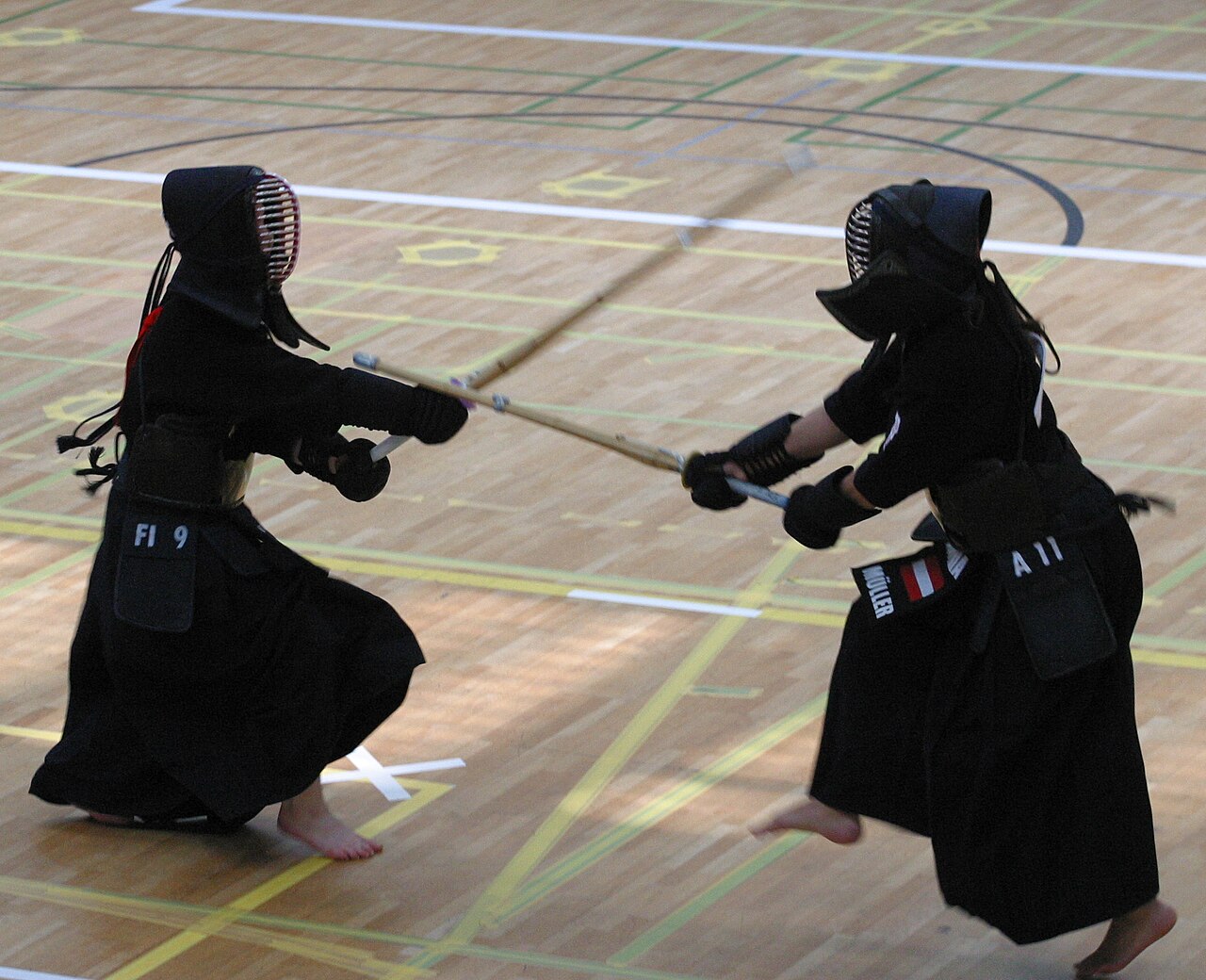
Strike Mechanics
Seme to the opponent's centre; the moment their kensaki reacts upward or outward, extend the left arm in a compact arc to the kote. Keep shoulders relaxed — lifting the elbows telegraphs kote. Finish with a men follow-up in drill form to train renzoku intent.
- Ki-ken-tai-ichi: kiai, furi, and fumikomi arrive together
- Left hand leads tenouchi; right hand supports without squeezing
- Follow-through with sae — sharp, not wild
A point sensei often mention
Sensei often return to the same points, because a small habit shows more clearly when the pace rises. With their permission, a side view of uchikomi can show the difference between what one feels and what the shinai does. The sensei is the person to ask.
- Striking the tsuba or kote-gane
- Pulling the shinai back before extension ("double motion")
- No kiai on the winning kote in shiai
Drills & Keiko Formats
Progress from suburi and kirikaeshi into static uchikomi, then moving uchikomi and kakari-geiko. Pair each drill with a clear kiai and one-step zanshin. Return to the Waza Encyclopedia to see how this strike fits shikake-waza and oji-waza families.
- Kote-only uchikomi from issoku-itto
- Debana-kote when partner initiates men
- Renzoku kote-men in kakari-geiko
Kote: target, moment, and faults
The usual target is the front of the right kote, the raised part of the wrist, not the side and not the tsuba. Keep the lift small and snap with the wrists as the body comes in. The opening appears when the opponent lifts for men, finishes a men and recovers, or holds chudan too low. A large furi is easy to see. After the cut, return to chudan instead of dropping the hands.
Watch & learn
Frequently asked questions
- How is Kote Strike scored in shiai?
- Judges require correct target, cutting spirit, proper tenouchi, and zanshin — see the Ippon Criteria page for full standards.