
Kids & Youth Kendo in Hong Kong
Children and teenagers practise kendo across Hong Kong — in school clubs, university-linked youth sections, and community dojos with dedicated junior classes. Kendo builds focus, respect, and physical coordination, but it is still full-contact bogu keiko for older juniors. Parents should understand safety norms and how school programmes differ from independent dojos. Ask that dojo what the month costs. This page complements the HK Beginner Entry guide; your child's sensei decides readiness for bogu and grading.
Safety Essentials
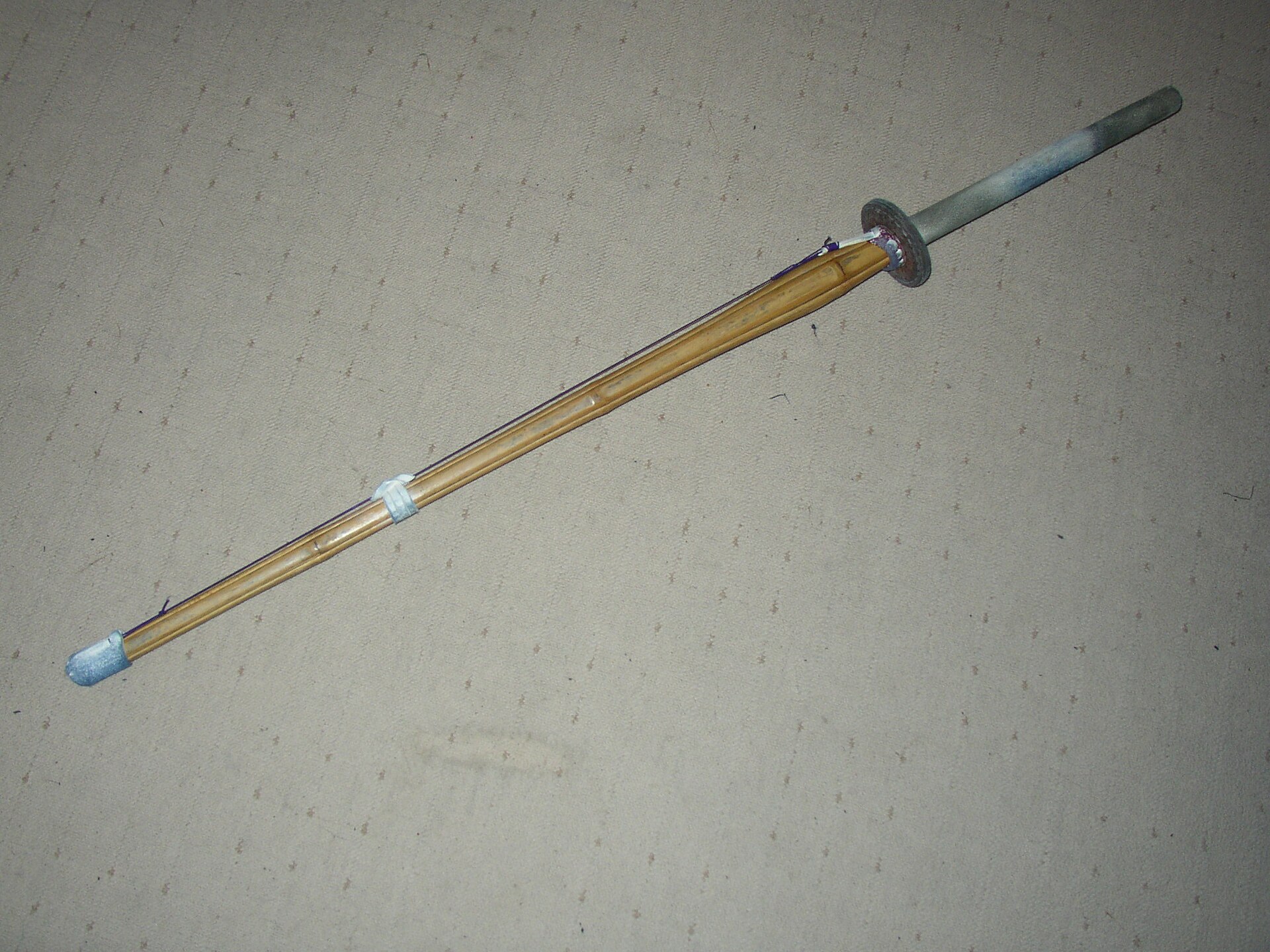
Qualified instructors control distance, enforce helmet checks, and stop keiko when emotions overheat. Tsuki is restricted or omitted for most youth curricula. Ensure shinai are the correct length and not splintered; bogu must fit — ill-fitting men is a common injury risk. Hydration and heat breaks matter in Hong Kong summers. If your child has asthma or prior concussions, disclose them privately to sensei before the first class.
Typical Starting Ages
Many Hong Kong clubs accept children from around six or seven for footwork and suburi without bogu, introducing bogu gradually between eight and twelve depending on size and focus. Teen beginners are welcome on adult tracks with adjusted expectations. There is no rush — months of kihon build the foundation that keeps keiko safe later. Link forward to adult pathways via Adult Beginners in HK when your teen outgrows junior-only classes.
Parental Tips
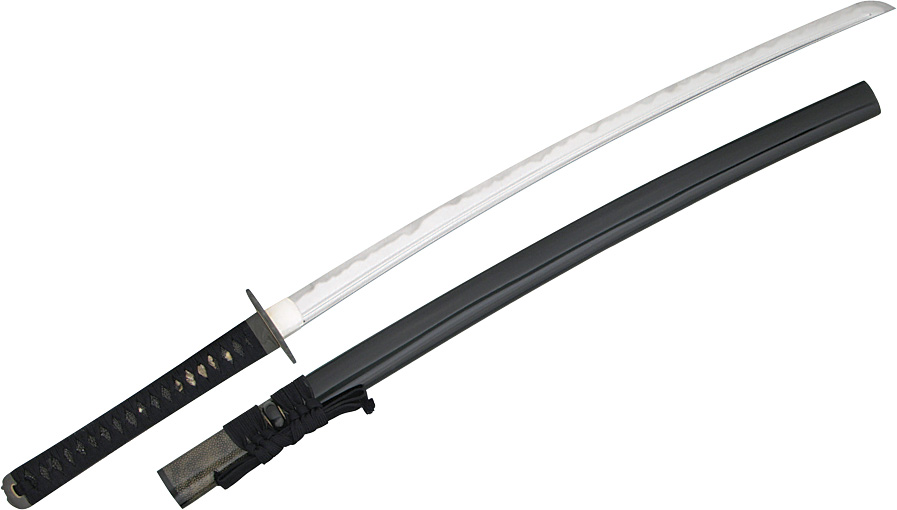
Model reiho: be punctual, quiet on the sidelines, and avoid coaching over the sensei. Let children pack their own keikogi over time to build responsibility. After keiko, help dry bogu thoroughly — Hong Kong humidity ruins neglected sets. Celebrate effort and bowing quality, not tournament wins alone. Read HK Dojo Etiquette together so your child knows why rules exist.
- Watch one full class before enrolling long-term
- Ask about anti-bullying culture and pairing policy
- Confirm medical / consent forms for school venues
School Clubs vs Independent Dojos
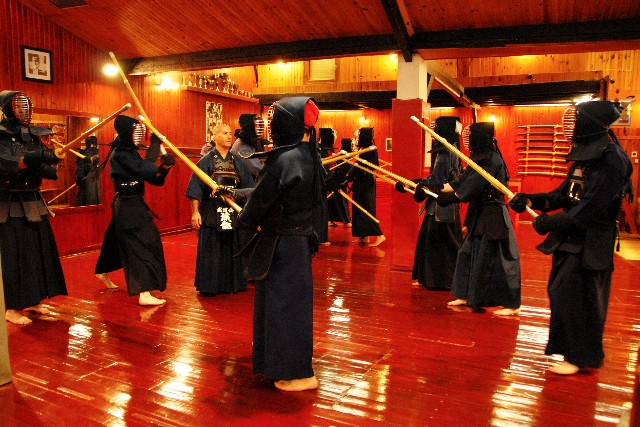
School clubs offer convenience and peer socialisation but may pause during exams or holidays. Independent dojos often provide year-round grading pathways and mixed-age mentorship. Some students do both — school for friends, dojo for depth. University feeder clubs may recruit from secondary programmes; ask about transition support. District pages (Island, Kowloon, NT) list venues when you need geography-specific options.
Fees, then adult keiko
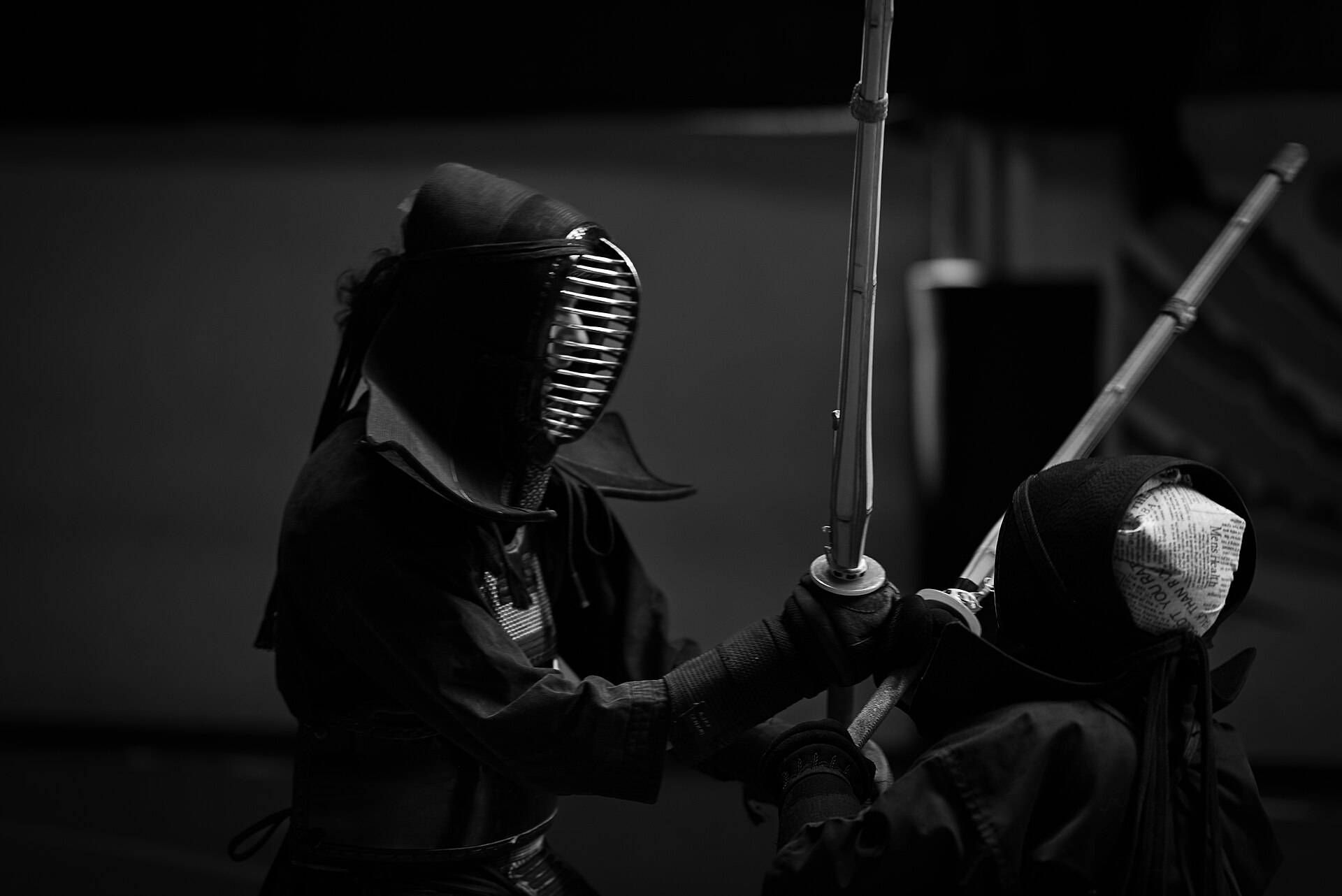
Please ask the dojo about the monthly fee, whether a shinai can be borrowed, and when bogu can be rented. School teams and club dojos each set their own equipment practice. When teenagers join adult classes, the grading page and the Hong Kong beginner page are useful reading. Regular bogu practice is a good time to look at the adult path.
Frequently asked questions
- Is kendo safe for children?
- With qualified supervision, age-appropriate drills, and fitted bogu, risk is managed — but it is a contact martial art; discuss concerns with sensei.
- School club or private dojo?
- School clubs fit busy term schedules; dojos often offer stronger grading continuity — many families choose one primary venue plus optional school extras.
- When can my child grade?
- Federations set kyu requirements; sensei decides readiness — see the Grading System page for general standards.