
50 Essential Kendo Terms for Hong Kong Beginners
Your first year of kendo in Hong Kong floods the ear with Japanese commands, strike names, and etiquette words — often explained in Cantonese or English between keiko. This primer groups fifty essential terms into strikes, distance, spirit, etiquette, equipment, and training formats. Each entry points to the Heart Sword Collection dictionary for kanji, pronunciation, and deeper definitions. Study five terms per week alongside keiko and you will follow instruction more confidently.
Strikes & Targets (打突)
Men (面), kote (小手), do (胴), tsuki (突き) — the four valid datotsu-bui. Compound waza names combine these: kote-men, debana-kote. Beginners hear men, kote, and suburi counts long before bogu. Dictionary entries: kendo, men, kote, do, tsuki, debana, uchiotoshi.
Distance & Timing (間合・機会)
Ma-ai (間合), issoku-itto-no-ma (一足一刀の間), seme (攻め), debana (出端), mittsu-no-sen (三つの先). Hong Kong beginners often struggle with distance in crowded dojo lines — naming ma-ai lets you ask sempai specific questions. Dictionary: maai, seme, debana, sen-no-sen, sen, kensen.
Spirit & Unity (精神)
Ki-ken-tai-ichi (気剣体一致), zanshin (残心), kiai (気合), mushin (無心), kigurai (気位). These appear in every grading feedback sheet. Read the Ki-Ken-Tai-Ichi Guide article for drills; dictionary holds ki-ken-tai-itchi, zanshin, kiai, mushin.
Etiquette & Commands (礼法・口令)
Rei (礼), seiza (正座), mokuso (黙想), sonkyo (蹲踞), onegai-shimasu, arigato-gozaimashita. Opening commands: seiretsu, chakuseiza, men-tsuke. HK Dojo Etiquette explains when each applies. Dictionary: rei, seiza, mokuso, sonkyo, reiho.
- Bow upon entering and leaving the dojo
- Never step over shinai or bogu
- Maintain silence during instruction
- Line up by rank before and after keiko
Equipment & Keiko Forms (道具・稽古)
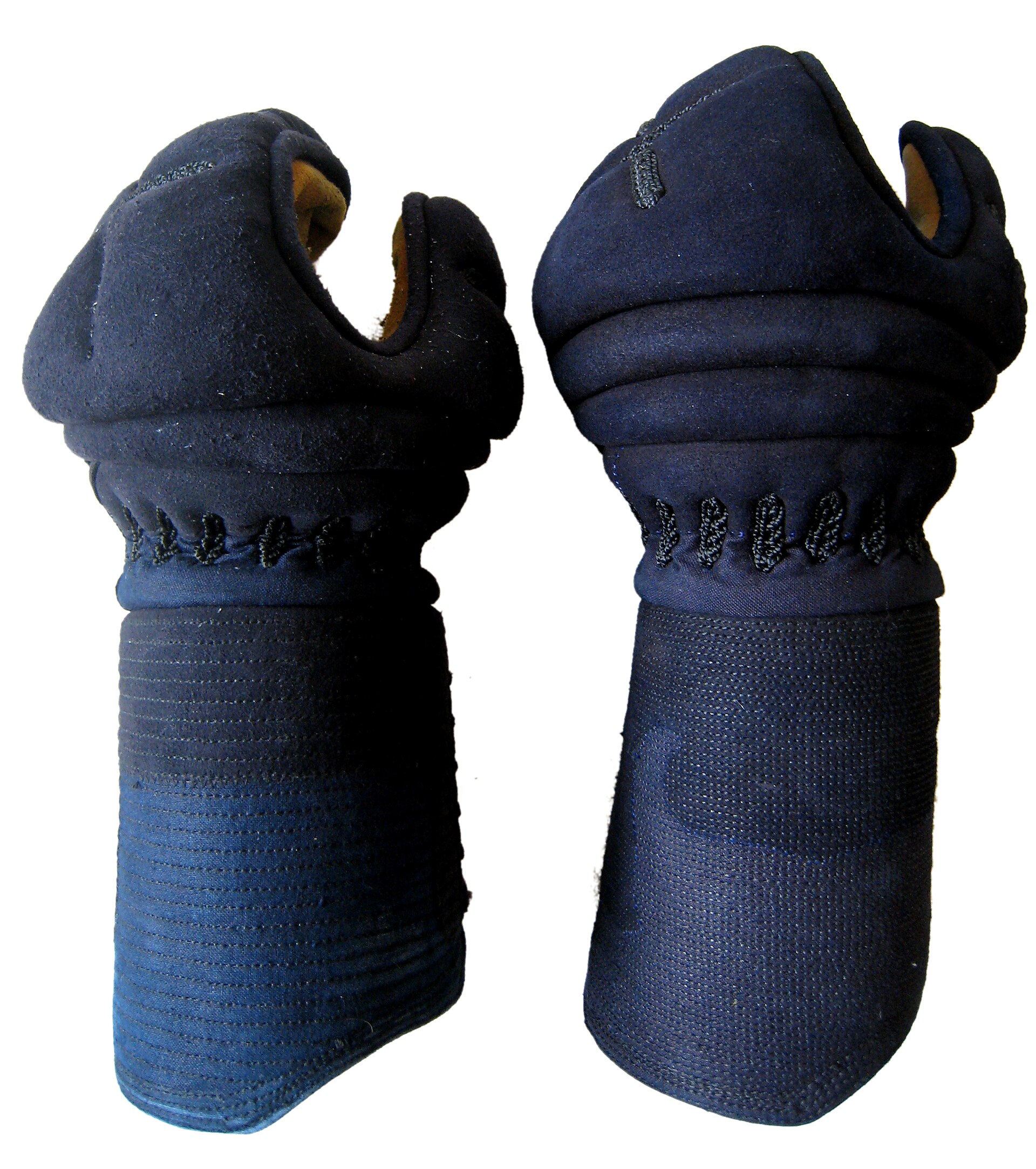
Shinai (竹刀), bogu (防具), kendogi, hakama, tenugui, motodachi, kakarite, kirikaeshi, uchikomi, kakarigeiko, jigeiko. Your first months emphasize suburi and footwork before bogu. Dictionary and Beginner's Guide cover each; Bogu Care Hong Kong addresses local humidity.
Frequently asked questions
- Is Japanese required for practice in Hong Kong?
- Not fluently — but learn keiko commands and core terms; local dojos explain in Cantonese and English too.
- Where may the full list of terms be found?
- The terminology dictionary holds more than one hundred and twenty entries, with search and categories.