
Miyamoto Musashi
Musashi never practised modern kendo, yet his insistence on clarity, timing, and psychological dominance echoes in every seme drill. Treat Gorin no Sho as philosophy literature — apply its spirit to keiko, not literal duel tactics.
Historical Context
Musashi fought in civil wars and later pursued musha shugyō — warrior pilgrimage. He founded Niten Ichi-ryū (two-sword method). Kendo today uses one shinai, but his observation of rhythm and distance remains pedagogically useful.
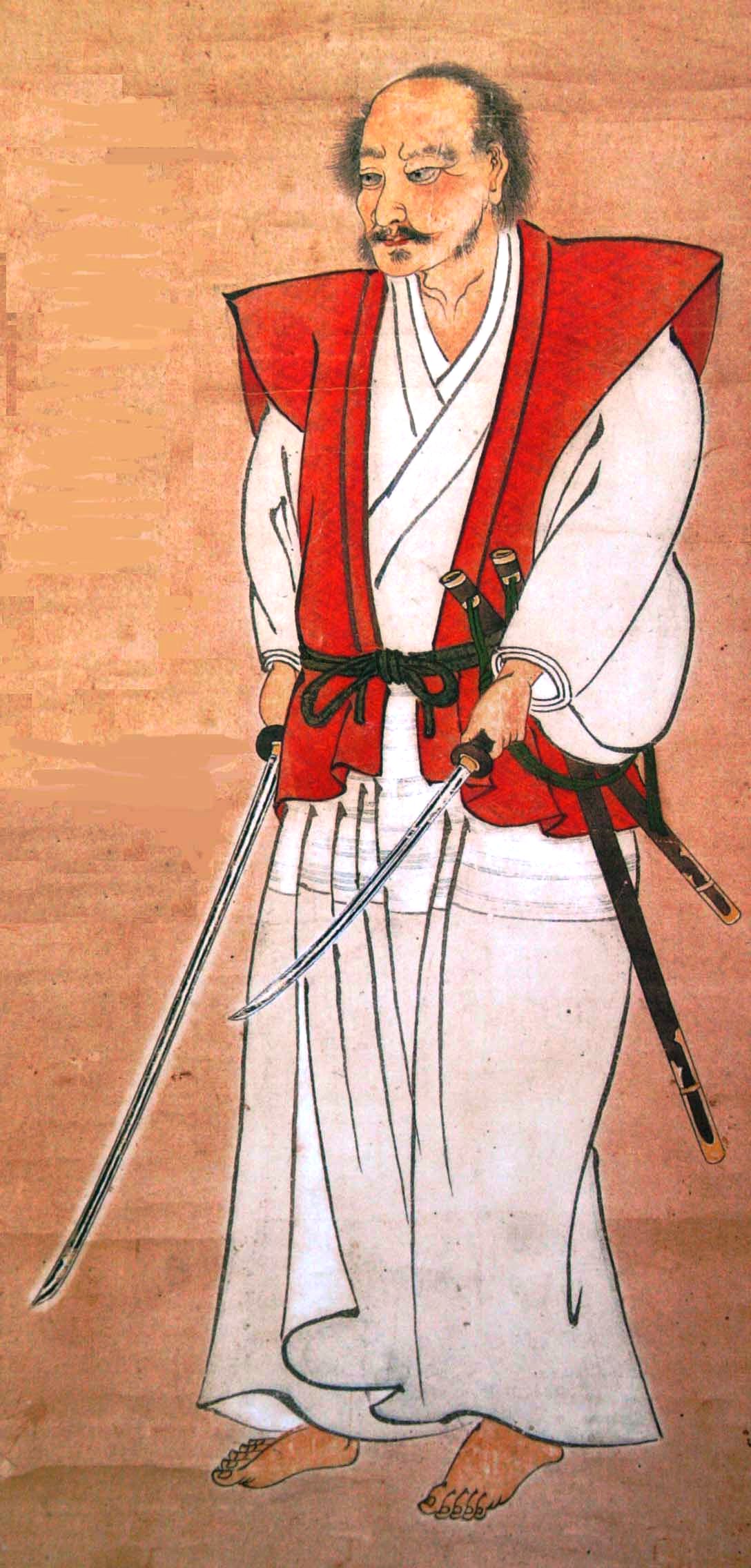
Specialities
Strategy (heihō), psychological pressure, adaptation to terrain and opponent temperament. Musashi stressed knowing your own rhythm before disrupting others — analogous to mastering kihon before waza.
- Timing over brute strength
- Observation before action
- Continuous learning into old age
Achievements
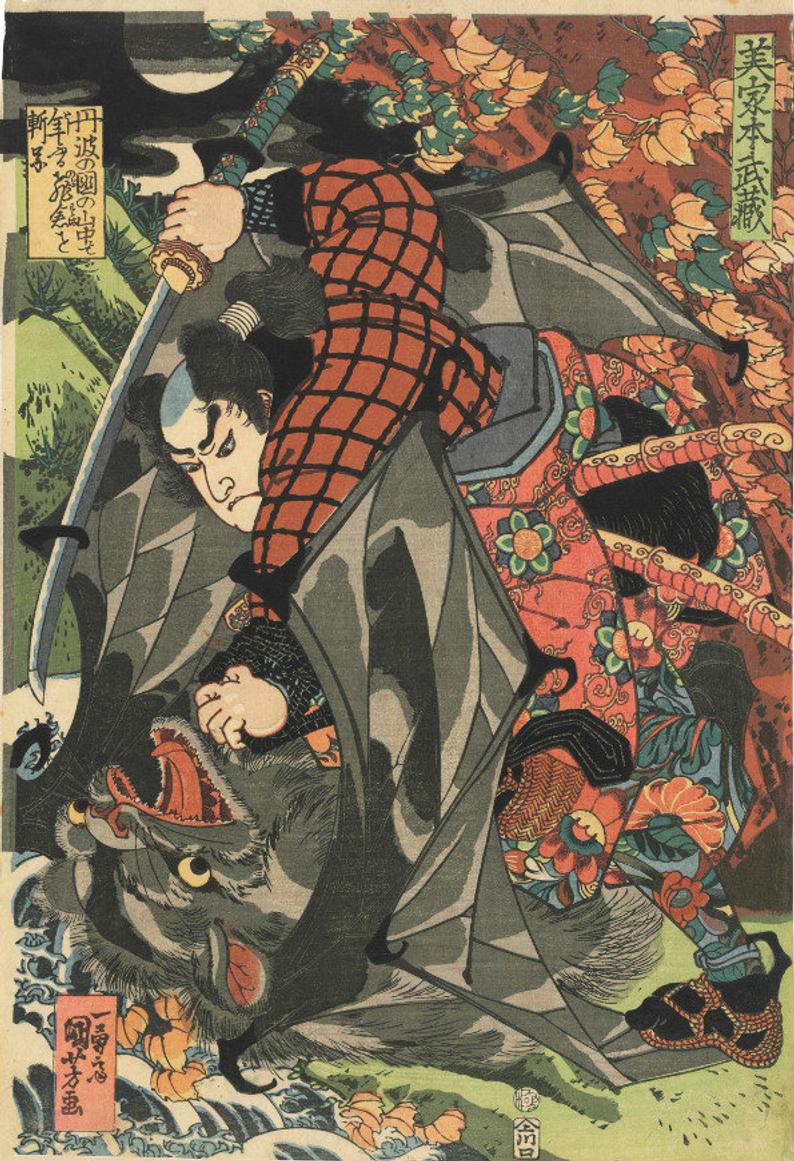
Undefeated in documented duels; influential paintings and calligraphy; Gorin no Sho completed late in life. His cultural footprint shapes how the world imagines Japanese sword culture — including Hong Kong media portrayals of kendo.
What to Learn Today
Before jigeiko, set one strategic theme (e.g. "take centre seme") instead of chasing points. Read one chapter of Gorin no Sho monthly alongside keiko. Pair with Yagyū Munenori for mind–sword dialogue.