
Ki-Ken-Tai-Ichi: Spirit, Sword & Body in Unity
Ki-ken-tai-ichi is the soul of kendo scoring and the benchmark of sincere practice. "Ki" is spirited presence and kiai; "ken" is the correct shinai path with proper hasuji; "tai" is the body — especially the feet — arriving together at the moment of impact. Without this unity, a strike may connect but not be ippon. This guide breaks down each element and offers drills Hong Kong practitioners can use in suburi, kihon, and jigeiko.
Ki: Spirit & Kiai
Ki manifests as sharp kiai, unwavering seme, and eyes that see the whole opponent. In keiko, practice declaring intent with a clear voice without shouting theatrically. Before men strikes, exhale sharply; do not hold breath through the cut. Hong Kong indoor venues echo — project from the hara, not the throat alone.
Ken: Hasuji & Tenouchi
The shinai must travel in a true plane — twisting at impact produces ineffective strikes. Left hand is the pivot; right hand squeezes at the moment of hit then relaxes. Practice small men cuts in front of a mirror or with motodachi holding a target. Listen for a single clean sound, not a slap.
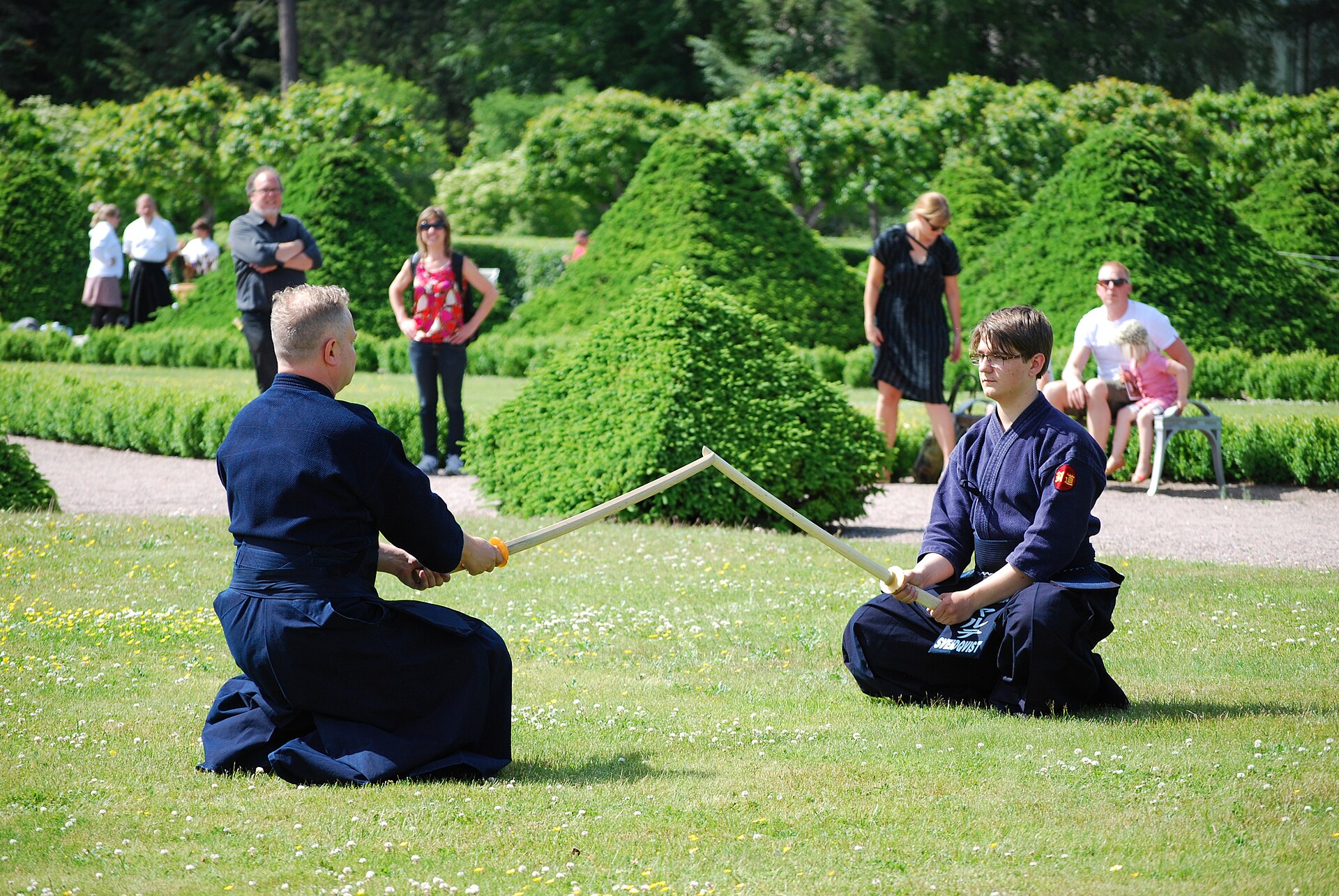
Tai: Fumikomi & Balance
The right foot strikes the floor as the shinai hits — not before, not after. Hips stay low; shoulders do not rise. After impact, suri-ashi forward maintains zanshin. Adults in Hong Kong often overstride; shorten steps until ki-ken-tai feel simultaneous. Use hayasuburi to build timing before full fumikomi.
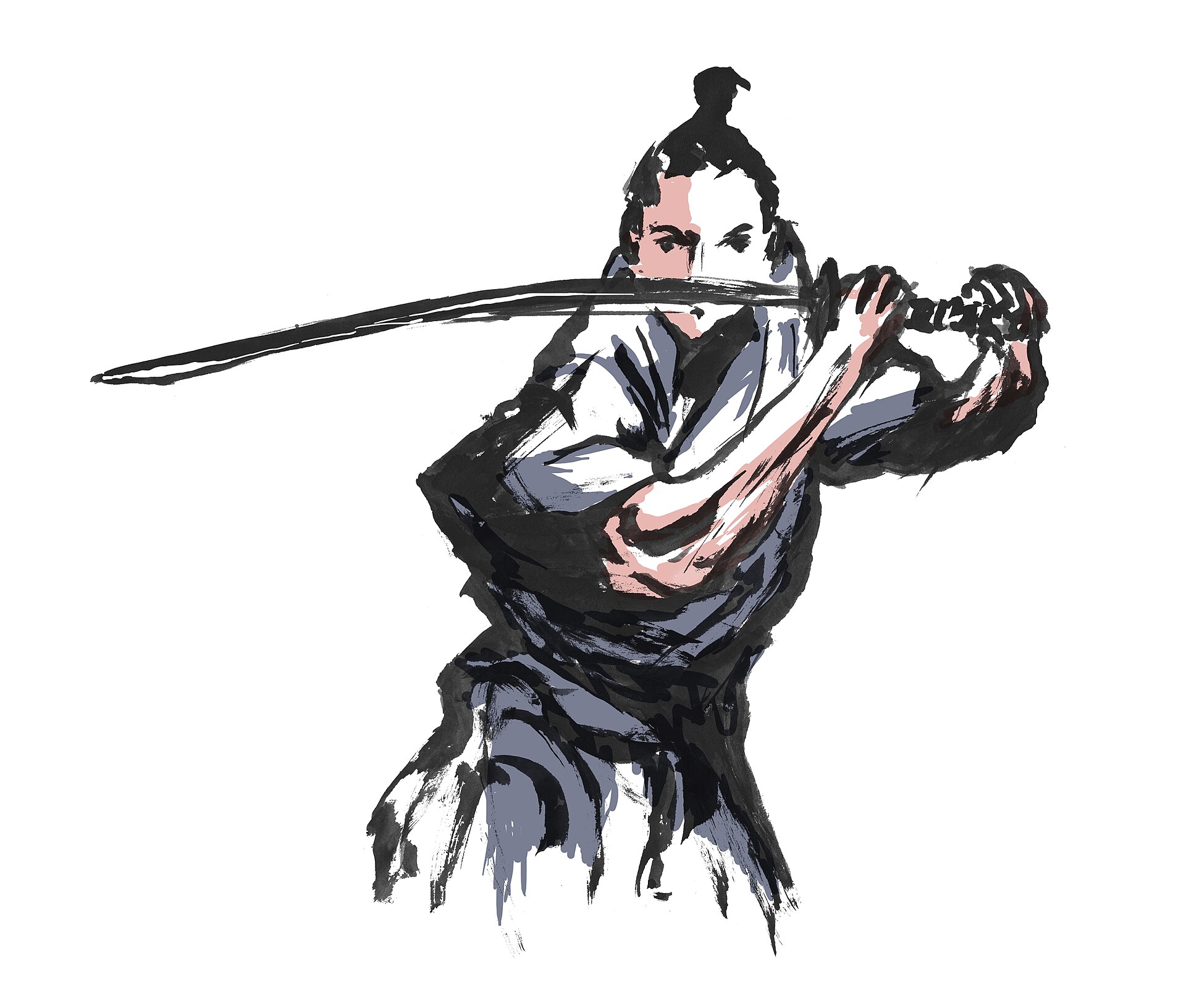
Drills for Daily Keiko
Suburi: ten men cuts focusing on one breath per strike. Kihon: ippon-me men with motodachi — stop if timing breaks. Kakarigeiko: maintain seme for three steps before striking. Jigeiko: aim for one ippon-quality attack rather than ten weak taps. Review shiai footage with sensei if available.
- Count "ichi" at the exact moment of foot and shinai contact
- Record yourself monthly to spot rising shoulders
- Study ippon rulings on the competition/ippon page
Points a teacher may mention
The arms may move before the hips. The voice may arrive before the body. The feet may stop as the strike lands, and zanshin is then still to come. A light touch may follow the opponent instead of meeting them. Motodachi can say, kindly, what arrived together. Referees look for that unity.
Frequently asked questions
- Can a strike score without ki-ken-tai-ichi?
- Referees require unified spirit, correct strike, and follow-through. A lucky tap without unity is usually not ippon.
- How long does it take to develop ki-ken-tai-ichi?
- Years of daily keiko. Beginners focus on components separately before unity emerges naturally.