
How to Start Kendo in Hong Kong
New to kendo in Hong Kong? This guide follows the path Holt Sensei set out for new kendoka — from your first bow at the dojo door through clothing care, shinai maintenance, basic movement, putting on bogu, kirikaeshi, and understanding valid strikes in shiai. Supplementary material on learning outside Japan, training session flow, and beginner pitfalls is adapted from Masahiro Imafuji Sensei's Kendo Guide For Beginners (Kendo-Guide.Com).
Welcome to Kendo
Kendo—"the way of the sword"—developed from samurai sword training into a modern martial way practiced worldwide. As a beginner you will learn Japanese terminology, dojo etiquette, and basic movements before your sensei invites you to wear bogu. This guide keeps descriptions simple and clear, as Holt Sensei intended for those starting their kendo journey.
- Hira kareta kokoro — an open mind in learning
- Manabu kokoro — a spirit devoted to study
- Tomo wo omou kokoro — friendship with fellow kendoka
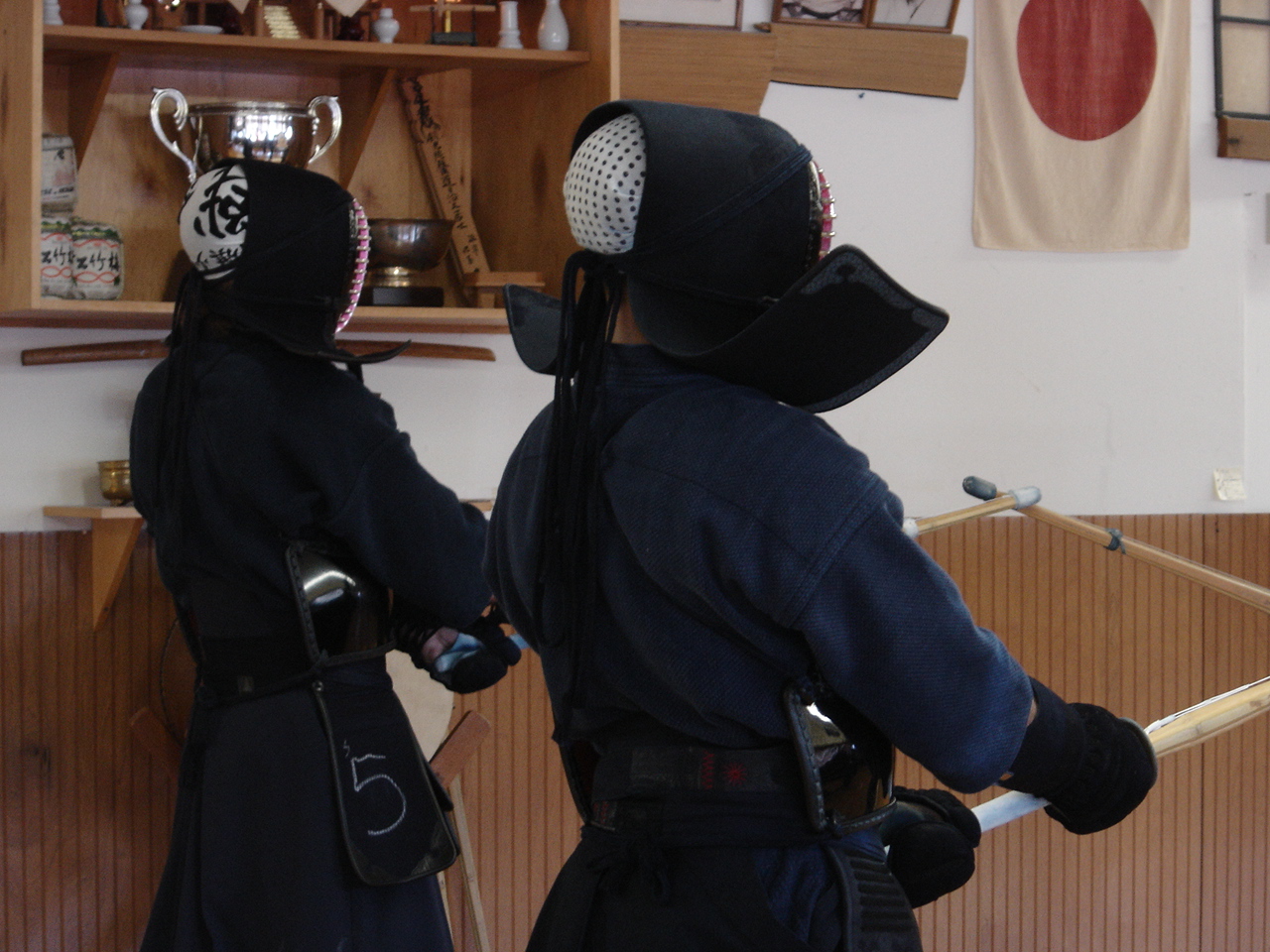
Learning Kendo — The Big Picture
Some people grow up in the dojo, and some begin as adults. Both paths are honoured. The pace is set with one’s own sensei. Sound basics in the dojo make later practice more easeful. The longer one practises, the deeper the understanding.
- — Learning outside Japan —
- Age: some begin as children, and some begin as adults. Both are welcome; the pace is set with the sensei
- Children often enjoy trying again. Adults may prefer a pace they can keep, and that is equally honourable
- Environment: a dojo with seniors nearby is a gift, wherever it stands
- Each sensei teaches from their own experience. Questions about equipment are best asked of that sensei
- The sensei is the person who shows how the dojo practises
- Solid basics from reliable sources make later dojo training far easier
- The longer you practise kendo, the more fun it becomes and the deeper your understanding grows
- — Can you learn alone? —
- Kendo is learned with a partner and a teacher
- A sensei shows the form while it is still easy to adjust
- This guide can keep the basics in view until a dojo is near
- The order a sensei gives is worth following; each step has a reason
- Teaching itself is a long practice, and every sensei is owed respect
- A visit to a dojo, even a distant one, is always welcome
- — Why kihon matters —
- Kihon is the most important element — even 9th dan teachers return to basics constantly
- Skipping basics to learn "cool" techniques leads most people to quit
- Advanced waza are built on solid kihon; without it you will plateau and be overtaken
- Take kihon seriously and your kendo life will be long and enjoyable
The Dojo & Etiquette
The dojo is a place of austere training respected as sacred space. Kendo starts with courtesy and finishes with courtesy. Arrive early, remove shoes before entering (never walk to the dojo barefoot), bow to the shomen when entering and leaving, and treat sensei and seniors with respect at all times. Sit in seiza to adjust bogu; do not step over a shinai or bokuto.
- Sensei sits at kamiza (joseki); seniors line up furthest from the door
- Bow to your partner at the start and end of each practice
- No talking during keiko—save discussion for afterwards
- Pack bogu away properly before leaving the dojo
Opening & Closing Ceremony
At the start of keiko the senior student (sempai) calls commands to line up on the shimoza (students' side), sit in seiza or chakuza, meditate (mokuso), then bow to shinzen or kamiza, to the teacher, and put on men and kote (men-tsuke). Closing reverses the sequence: remove kote and men (men-tore), mokuso, bow to sensei, shinzen, and each other (otagai-ni-rei). Each dojo may vary slightly.
- — Opening —
- Sei-retsu — line up (senior students furthest from the door on shimoza)
- Seiza or chakuza — sit in formal kneeling or cross-legged
- Mokuso — meditate quietly; Yame — stop
- Shinzen-ni-rei / Shomen-ni-rei — bow to the shrine or kamiza
- Sensei-ni-rei / Gata-ni-rei — bow to the teacher(s)
- Men-tsuke — put on tenugui, men, and kote
- — Closing —
- Sei-retsu — line up
- Seiza or chakuza — sit down
- Men-tore — remove kote, men, and tenugui
- Mokuso — meditation; Yame — stop
- Sensei-ni-rei — bow to teacher
- Shinzen-ni-rei / Shomen-ni-rei — bow to kamiza
- Otagai-ni-rei — bow to each other in thanks
- — Partner greetings —
- Onegai shimasu (お願いします) — "please train with me"; say while bowing before keiko or shiai
- Arigatō gozaimashita (ありがとうございました) — "thank you very much"; say after training or a match
- Use the polite past form gozaimashita, not casual arigatō, after practice
- You need not speak fluently at first — but you must know what to do when you hear commands
- — Essential commands —
- Rei — bow
- Shōmen / Shinzen — front of dojo or altar
- Sensei — teacher (general Japanese term)
- Hai — yes; respond after receiving instruction
- Shinai — bamboo sword; bokutō / bokken — wooden sword
- Keikogi — training top; hakama — pleated trousers
- Kiai — shout expressing spirit and energy
- Hajime — start; Yame — stop
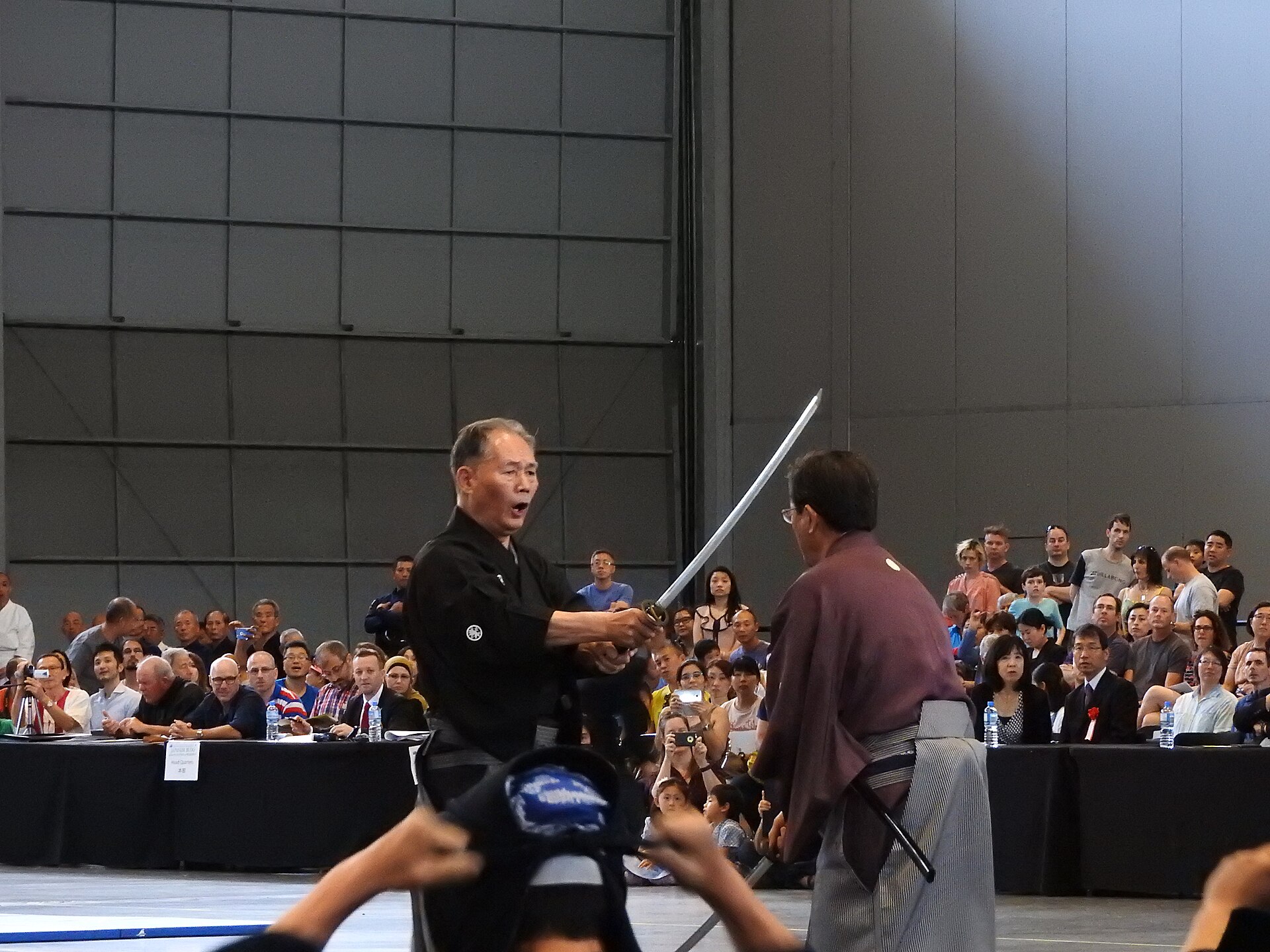
Seiza, Mokuso & Rei
Seiza is formal kneeling: knees about 20 cm apart, feet slightly crossed, back straight, hands on thighs. Lower onto the left knee first when sitting; rise by placing the right foot first—hands do not touch the floor. Once in seiza, do not fidget while a senior speaks. For mokuso, close the eyes lightly, rest hands palm-up in the lap with thumbs touching, and breathe slowly from the abdomen.
- Zarei: kneeling bow with fingertips touching the floor briefly
- Ritsurei: standing bow ~15° to opponent, ~30° to kamiza
- Keep eye contact in rei; do not let the shinai tip rise
Clothing & Equipment
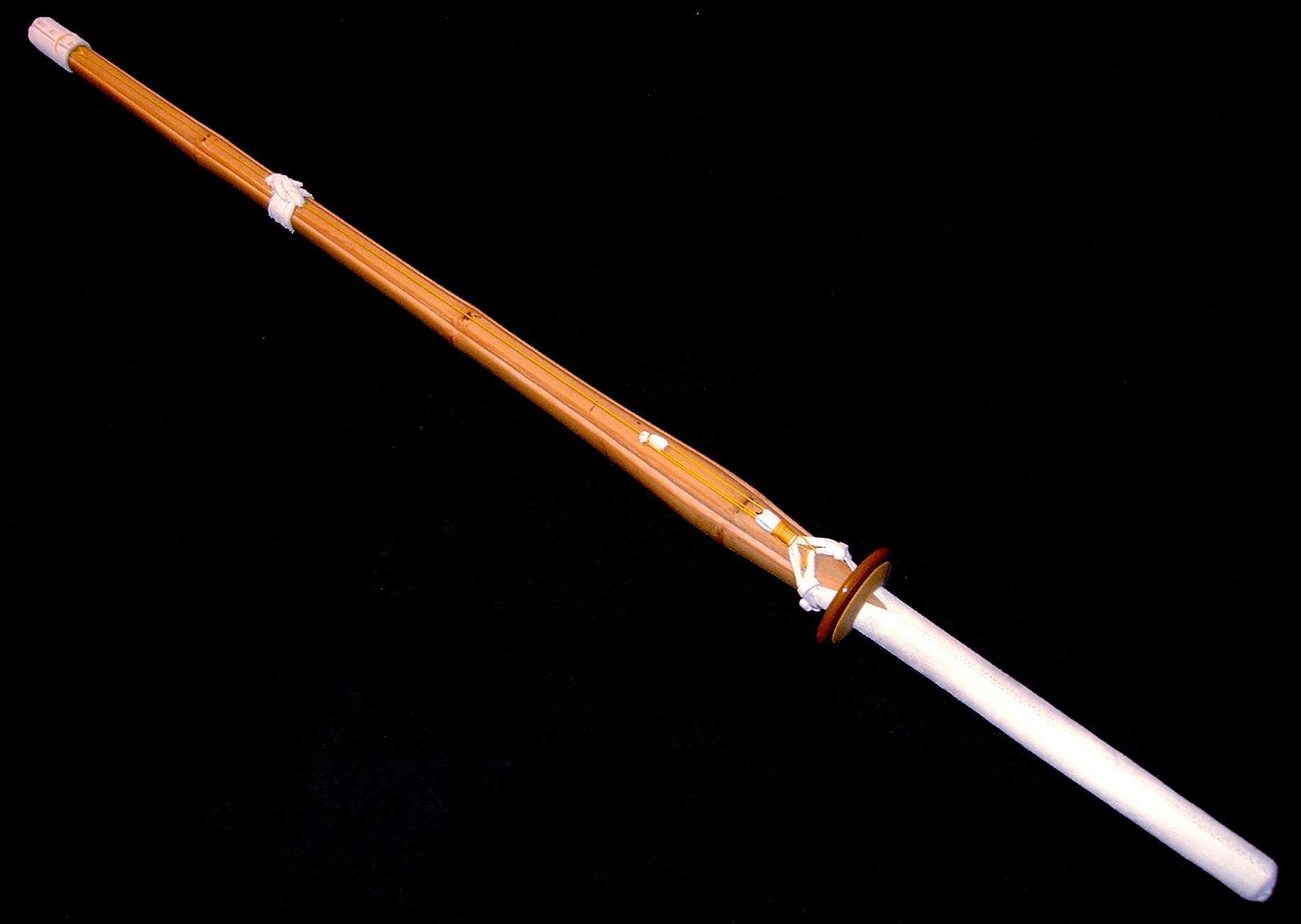
Kendo begins when you dress with care: a correctly folded hakama makes a strong first impression. The left side of the keikogi crosses over the right; hakama himo tie in a reef knot at the front. Bogu protects men (head), kote (hands), do (torso), and tare (waist). The shinai is made of four bamboo slats—inspect it every practice; when in doubt, throw it out.
- Fold hakama after every keiko—creases stay without ironing
- Check shinai slats, sakigawa, nakayui, and tsuru before practice
- Never use taped or splintered bamboo slats
Footwork, Kamae & Suburi
Footwork is the foundation of kendo. The four main patterns are okuri-ashi (slide the trailing foot), ayumi-ashi (natural walking steps), hiraki-ashi (sideways while facing the opponent), and tsugi-ashi (continuous attacks over distance). Glide the feet—do not lift them high. Chudan-no-kamae is the basic stance; grip the shinai with the left hand at the tsuba and right hand below, kensen aimed at the opponent's throat.
- Issoku-itto-no-maai: one step to strike or evade
- Suburi (joge-buri, naname-buri) builds strength and correct hasuji
- Left hand pushes up; right hand guides—tenouchi at the bottom of the cut
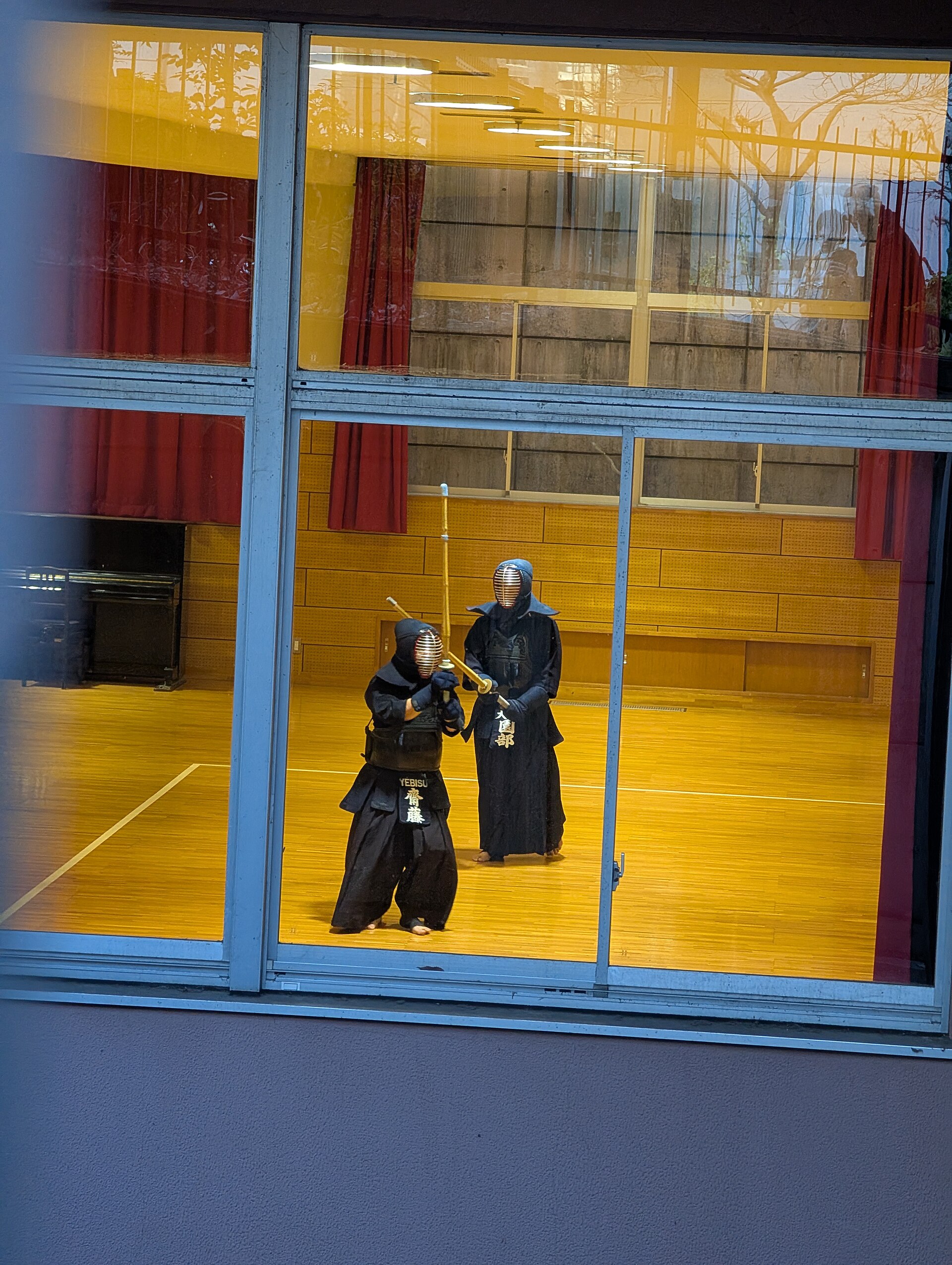
Putting On Bogu & Kirikaeshi
Always don and adjust bogu from seiza: tare first, then do, tenugui, left kote, then men. Push kote on from the hand—do not pull by the mitten. Kirikaeshi is among the most important drills once you wear bogu: men and tai-atari, then yoko-men forward and backward, repeat the set, and finish with kihon shomen and zanshin.
- — Bogu from seiza —
- 1. Tare — waist protector first
- 2. Do — chest guard over the tare
- 3. Tenugui — head cloth folded and tied before the men
- 4. Kote — gauntlets, left then right
- 5. Men — head guard last; check men ties and tsuki-dare
- Adjust bogu only from seiza; ask before touching another's armour
- — Kirikaeshi —
- Roles: kakarite (attacker) strikes; motodachi (receiver) holds the target
- 1. Men — from issoku-itto-no-maai, large forward lunge; kihon men to centre of the head
- 2. Tai-atari — press forward into body contact with the motodachi
- 3. Yoko-men forward — four sayu-men while advancing: right, left, right, left
- 4. Yoko-men backward — five sayu-men while retreating: right, left, right, left, right
- 5. Repeat the set: men → tai-atari → yoko-men forward → yoko-men backward
- 6. Final kihon shomen — centre men strike, pass through the motodachi
- 7. Zanshin — turn to face the motodachi and hold ready awareness
- Maintain loud kiai and crisp fumikomi on every cut throughout
Kihon Keiko-ho, Waza & Shiai
The nine AJKF bokuto kihon keiko-ho forms introduce shikake and oji waza with a wooden sword before full bogu practice. As you progress you will study men, kote, do, tsuki, and combination waza. In shiai the only valid points are men, kote, do, and tsuki—strikes must show correct spirit, sword path, and zanshin. The purpose of kendo remains character cultivation through the principles of the katana.
- See Technique Encyclopedia for shikake-waza and oji-waza in depth
- Most matches: first to two ippon, or one ippon at time
- Bow correctly entering and leaving the shiai court
- — Concept of Kendo (AJKF) —
- To mould the mind and body
- To cultivate a vigorous spirit through correct and rigid training
- To strive for improvement in the art of kendo
- To hold in esteem human courtesy and honour
- To associate with others with sincerity, and to forever pursue the cultivation of oneself—to love one's country and society
- To contribute to the development of culture and to promote peace and prosperity among all peoples
- Established by the All Japan Kendo Federation, 1975
Frequently asked questions
- May kendo be learned without a dojo?
- Kendo is learned with a partner and a teacher. This guide can help keep the basics in order until a dojo is found.
- May one begin with no martial-arts background?
- Yes — many Hong Kong practitioners begin as adults with zero prior experience.
- How often should beginners train?
- Two to three sessions per week is sustainable for adults balancing work and family.