
Japan–Korea Kendo Rivalry at the WKC
The Japan–Korea men's team rivalry at the World Kendo Championships is the sport's most storied lane — not because of nationalism, but because both nations treat kendo as national shugyō with full-time pipelines. Japan won fifteen consecutive men's team titles from 1970 through 2003; Korea's 2006 Taipei victory remains the lone non-Japanese men's team gold in that era. This page frames facts, stylistic differences, and the respect competitors show after hanshi-level battles.
Men's Team Gold Record
Japan's men won team gold at fifteen of the first sixteen WKCs (1970–2003). Korea broke the streak in 2006; Japan reclaimed gold in 2015 (Tokyo) among other titles. Check FIK official records and Wikipedia's WKC table for year-by-year results.
2006 Taipei — Korea's Breakthrough
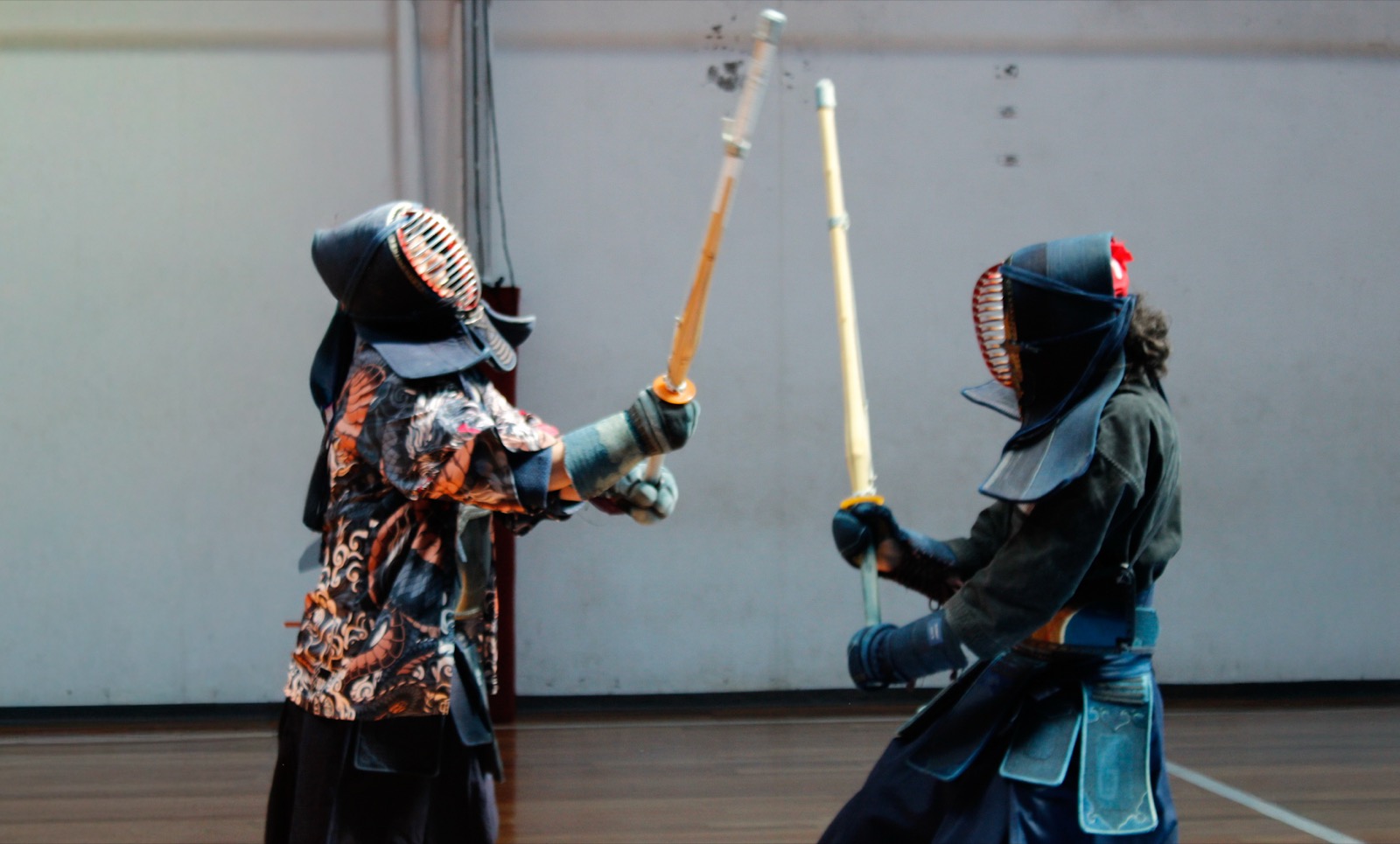
The 14th WKC in Taipei ended Japan's fifteen-tournament men's team run. Korean seme, coordinated rotation, and explosive debana were widely analysed in Japanese kendo magazines. Celebrations stayed within reiho — a model for how to honour a worthy opponent.
Style Contrasts
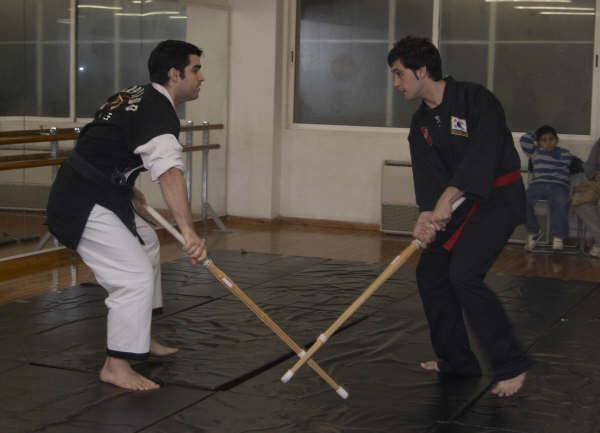
Broad strokes only: Japanese top teams often emphasise issoku-itto seme, patient centre, and unified kiai. Korean teams frequently show aggressive forward pressure, rapid footwork switches, and team tactics tuned for three-minute exchanges. Individual styles vary — avoid stereotypes in the dojo.
- Study video with a sensei, not comment sections
- FIK rules are identical — differences are training culture
- Hong Kong can blend footwork drills from both schools of thought
Mutual Respect & Keiko
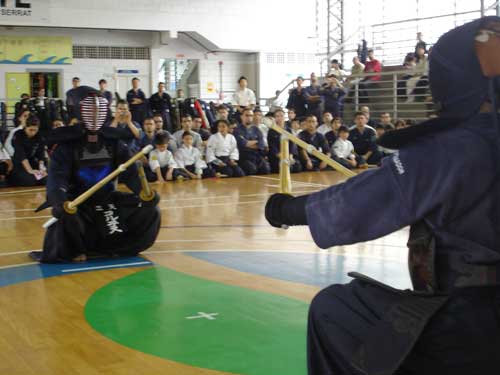
Post-match bows at WKC remain deep and long. Exchange visits between Japan and Korea continue through seminars and university tours. For Heart Sword readers: rivalry is a lens to study seme — not an excuse for online hostility. Train your maai; applaud both flags.
Frequently asked questions
- Has Korea won men's team gold more than once?
- As of the 2024 cycle, Korea's 2006 title remains the famous sole break in Japan's long men's team streak — verify latest FIK results for updates.