
Men Strike (面)
Men Strike is one of the four datotsu-bui (valid strike areas) in kendo shiai and a pillar of daily uchikomi. This page breaks down strike mechanics, common faults seen in Hong Kong dojos, and drills that build a clean, confident men strike without sacrificing ki-ken-tai-ichi.
Target & Purpose
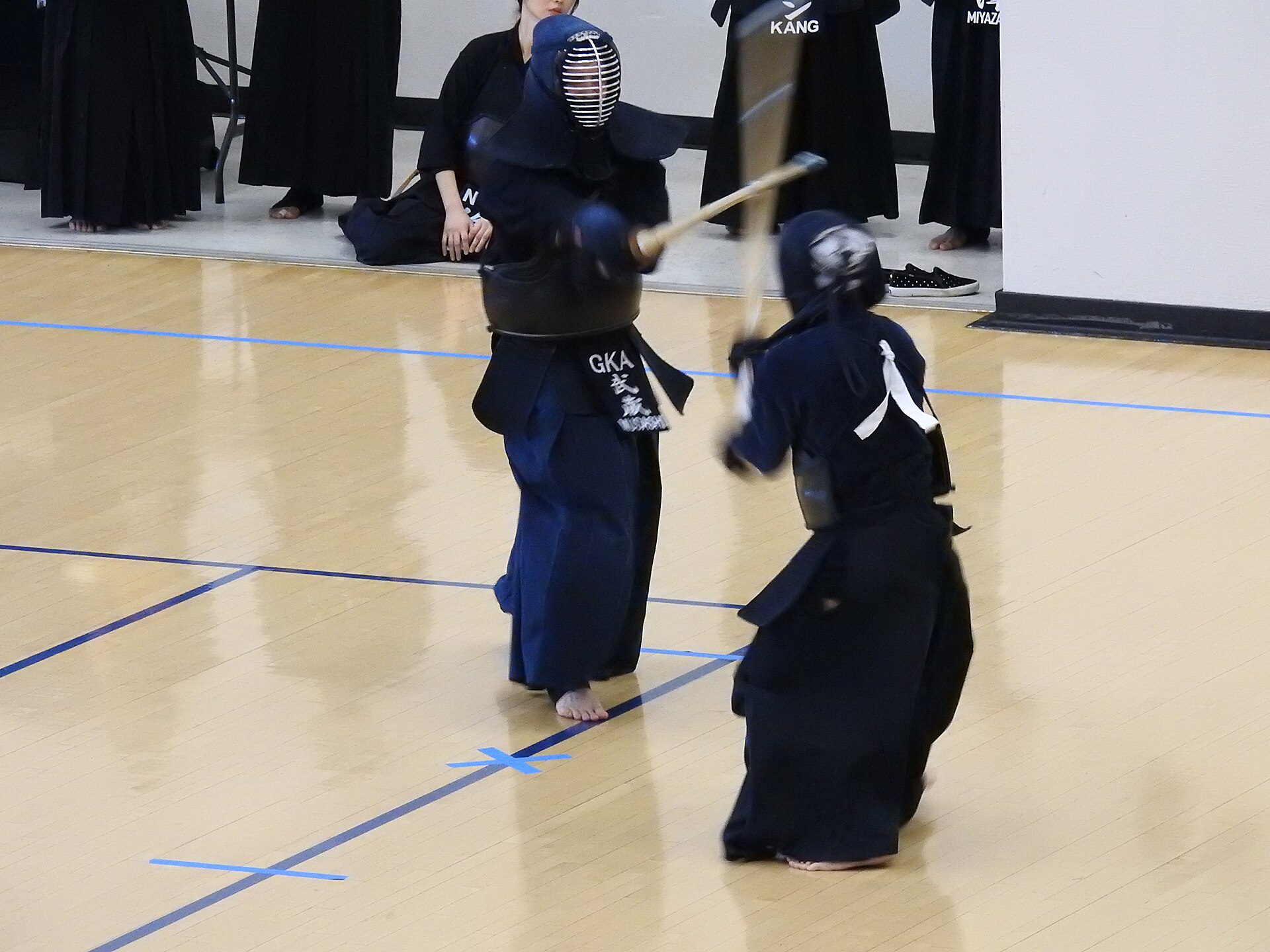
Men targets the centre of the men (head protector). In keiko, aim for the sho-men — the flat plane above the mengane — with the long axis of the shinai vertical at impact. Men is the most practiced strike because it trains full-body commitment and straight kensaki.
Strike Mechanics
Raise the shinai in a smooth arc without telegraphing; seme with the kensaki and body weight before furi. Snap tenouchi at impact using the left hand, then immediately open distance with small tsugi-ashi while keeping eyes on the opponent — men without zanshin is only a touch.
- Ki-ken-tai-ichi: kiai, furi, and fumikomi arrive together
- Left hand leads tenouchi; right hand supports without squeezing
- Follow-through with sae — sharp, not wild
A point sensei often mention
Sensei often return to the same points, because a small habit shows more clearly when the pace rises. With their permission, a side view of uchikomi can show the difference between what one feels and what the shinai does. The sensei is the person to ask.
- Dropping the kensaki before furi (debana for the opponent)
- Hitting the mengane or side men — invalid in shiai
- Over-running without turning to show zanshin
Drills & Keiko Formats
Progress from suburi and kirikaeshi into static uchikomi, then moving uchikomi and kakari-geiko. Pair each drill with a clear kiai and one-step zanshin. Return to the Waza Encyclopedia to see how this strike fits shikake-waza and oji-waza families.
- Suburi → kirikaeshi → static men uchikomi (5×5)
- Seme-men with partner holding position
- Kakari-geiko: three men per entry, full kiai
Men: target, moment, and faults
Sho-men is the centre above the mengane; sayu-men is at the temple. Strike with the datotsu-bu, the forward striking section of the shinai. Useful moments are when the opponent lifts the shinai, finishes a cut and relaxes, or steps in off balance. Cut with the hips, not the arms alone. A hit on the mengane or the metal side is not the target, and a cut without zanshin is unfinished.
Watch & learn
Further reading
Frequently asked questions
- How is Men Strike scored in shiai?
- Judges require correct target, cutting spirit, proper tenouchi, and zanshin — see the Ippon Criteria page for full standards.