
Hong Kong Kendo | Forge the Heart, Cultivate Virtue
Hong Kong Kendo — Mind & Body Cultivation Guide
New to kendo in Hong Kong? Start with etiquette, basic technique, and the AJKF philosophy of character cultivation — no prior experience required.
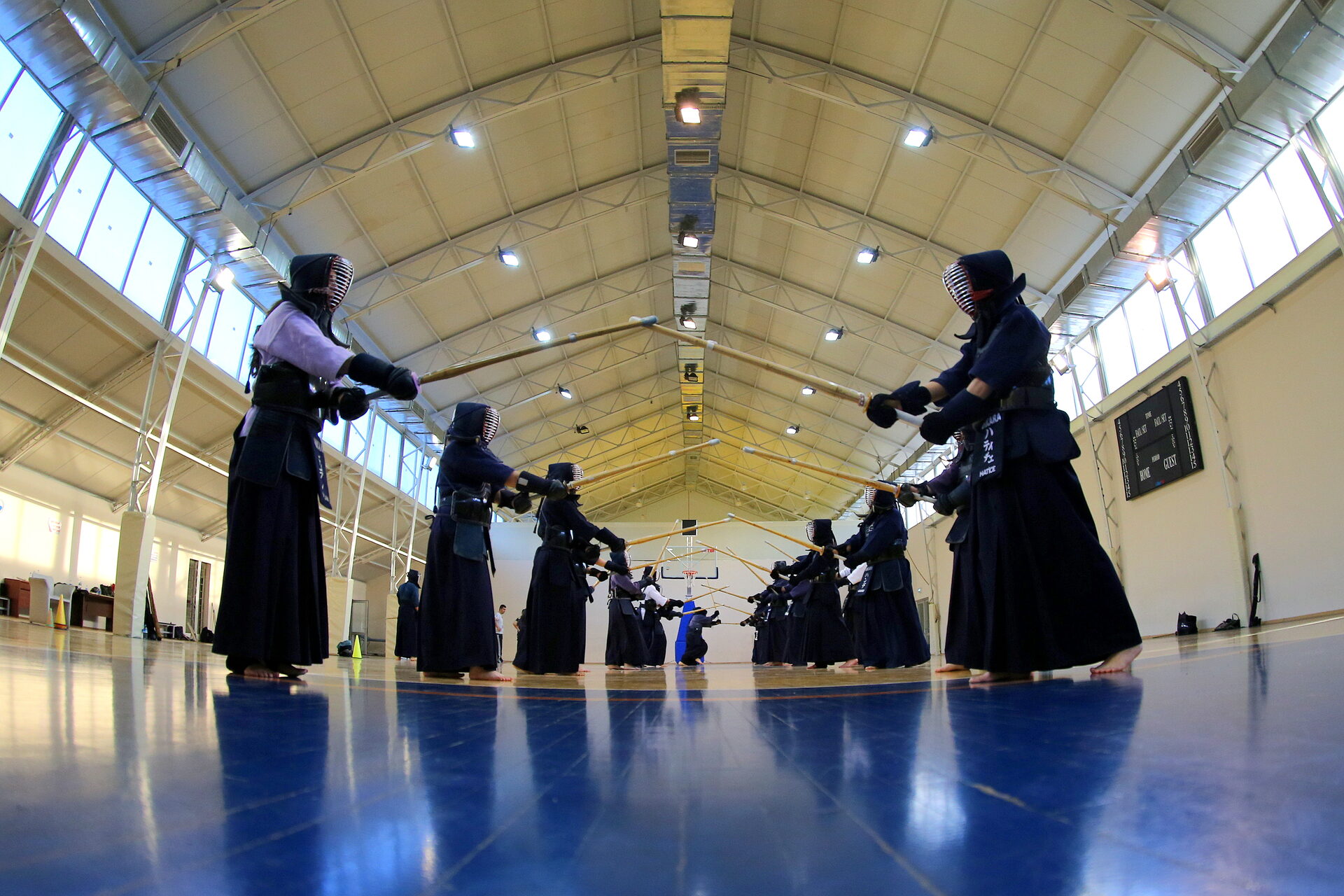
The concept of kendo is to discipline the human character through the application of the principles of the katana (All Japan Kendo Federation, 1975).
Start here
How to Start Kendo
First dojo visit, etiquette, beginner gear, footwork, and kamae — zero experience welcome.
Kamae & Posture
Chudan and core stances that protect openings and set up every strike.
HK Kendo Hub
Local dojos, events calendar, and Hong Kong-specific culture articles.
Kendo in Taiwan
History, university clubs, national championships, and how to start.
Heart Sword Collection (心劍集) is a trilingual kendo culture guide for Hong Kong and international practitioners — covering philosophy, beginner etiquette, technique, equipment, and competition rules in English, Traditional Chinese, and Simplified Chinese.
Philosophy
理念AJKF character cultivation, reiho, and lifelong shugyō — the heart forged through the sword.
Technique
技術Hasuji, ki-ken-tai-ichi, and zanshin — from beginner suburi to advanced waza.
Hong Kong
香港Hong Kong dojos, events, etiquette guides, and local beginner pathways.
Start here
Hong Kong dojos
- Hong Kong Gudo Seishinkan
- Hong Kong Sekishinkan
- Hong Kong Kentokukai
- Hong Kong Minchikan
- HKUST Kendo Club
- HKU Kendo Club
Questions from new visitors
- What is kendo?
- Kendo is a Japanese martial way (budo) practised with bamboo swords and protective armour. Its purpose is character cultivation through rigorous, respectful training — not street fighting.
- Can absolute beginners join in Hong Kong?
- Yes. Most Hong Kong dojos welcome adults and students with no experience. Start with our Hong Kong beginner guide and dojo etiquette article before your first visit.
- What equipment do I need to start?
- For your first sessions, sports clothes are enough. Later you will need a shinai, kendogi, hakama, and eventually bogu — your sensei will advise when to purchase.