
Kendogi & Hakama
The kendogi and hakama are more than sportswear—they embody the dignity and tradition of kendo. The thick cotton jacket absorbs sweat and provides grip for techniques; the hakama's pleats are said to represent the virtues of a swordsman. Wearing them correctly shows respect for the dojo and fellow practitioners.
Kendogi (Jacket)
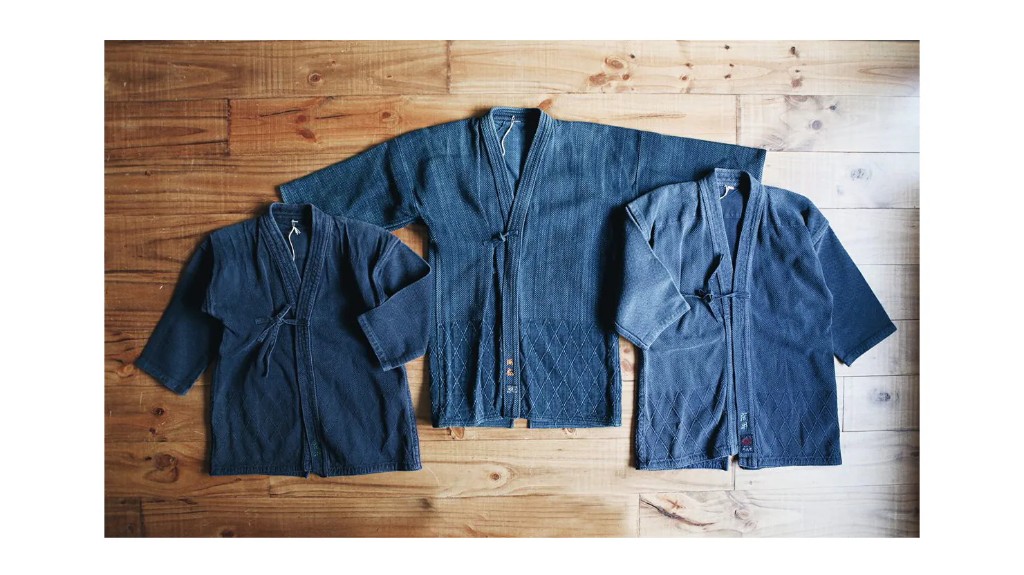
The kendogi is a thick, quilted cotton jacket designed to withstand gripping and striking. It overlaps left over right (reversed only for the deceased) and is secured with a himo (tie). Quality kendogi use indigo dye, which darkens with washing and age—a badge of long practice.
- Adult standard: double-layer quilted indigo-dyed cotton
- Kinari: thin undyed yellow cotton for beginners or summer
- White: bleached cotton — formal or special use
- Musashi lattice pattern: light children's keikogi up to about age 10
- Hand-wash lightly in cold water to preserve indigo — avoid heavy detergent and machine washing
- Size: jacket should cover the elbows; children's oversized gi may be shortened at the shoulders
Hakama (Trousers)
The hakama's seven pleats traditionally represent the virtues of yu (courage), gi (justice), jin (benevolence), rei (etiquette), makoto (sincerity), chugi (loyalty), and meiyo (honor). Proper tying (koshihimo and datejime) keeps the hakama secure during vigorous keiko. Learning to fold hakama is a rite of passage for new students.
- Five front pleats: righteousness (ruler–minister), affection (father–son), propriety (husband–wife), order (elder–younger), faithfulness (friends)
- Also the five Confucian virtues: humanity, righteousness, propriety, wisdom, faithfulness
- One back pleat: loyalty and filial piety are one — follow the true path without double dealing
- The stiff koshi-ita straightens the spine; collar on the neck pulls the chin in for correct posture
- Think of these meanings each time you put on hakama
Folding Keikogi & Hakama
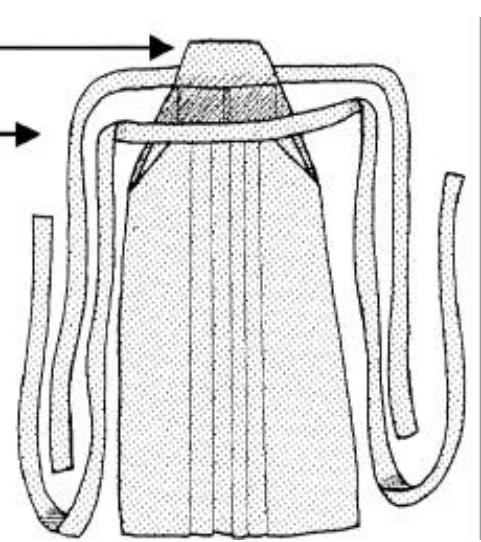
After keiko, fold your uniform with care to preserve pleats and show respect for the dojo. The standard method folds the keikogi first, then the hakama body, and finishes by tying the himo cords into a secure knot that keeps everything compact for storage or transport.
- Never sit on a spread hakama — it crushes the pleats
- Fold on a clean, flat surface away from the dojo floor
- Practice the himo knot until it holds without slipping
- Fold the keikogi first and lay it flat
- Fold the hakama body with pleats aligned
- Tie the himo cords into a secure knot for storage or transport
- Store in a clean, dry place to preserve pleats
- Set clear goals before each keiko
- Prioritize correct form over speed
- Accept corrections with sincerity
- Maintain reiho throughout practice
Wearing and Adjustment
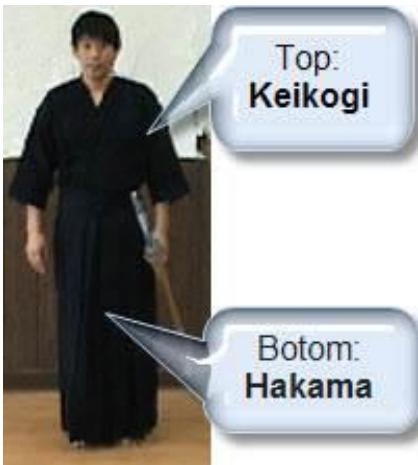
Dress in order: keikogi first (left crosses over right at the chest), then hakama. Cross himo at the back, tie at the front about 5 cm below the top, and tuck loose ends neatly. The hakama should just clear the tops of the feet at the front. Bogu is worn over the uniform with the tare covering the hakama ties.
- Step into the hakama and pull it to waist height
- Tie the koshihimo (waist cord) securely at the front
- Adjust the datejime (inner tie) so the hakama sits flat
- The back plate (koshi-ita) should be centred; front ties hang evenly
Washing and Care
Wash kendogi and hakama separately in cold water to preserve color and fabric. Air-dry thoroughly to prevent mildew. Frequent washing is expected—the worn look of a well-used gi is respected. Never machine-dry hakama, as heat damages pleats.
- Synthetic hakama may be machine washed; indigo cotton must not go in a machine
- Wash folded hakama in a tub by pressing under water — do not wring
- Refold and smooth water out, then hang upside down with pleats in place
- Spin-drying wrinkles; ironing creates shine — avoid both
- After drying, fold and press under a cushion or mattress to reset pleats
Colour Choices for Beginners
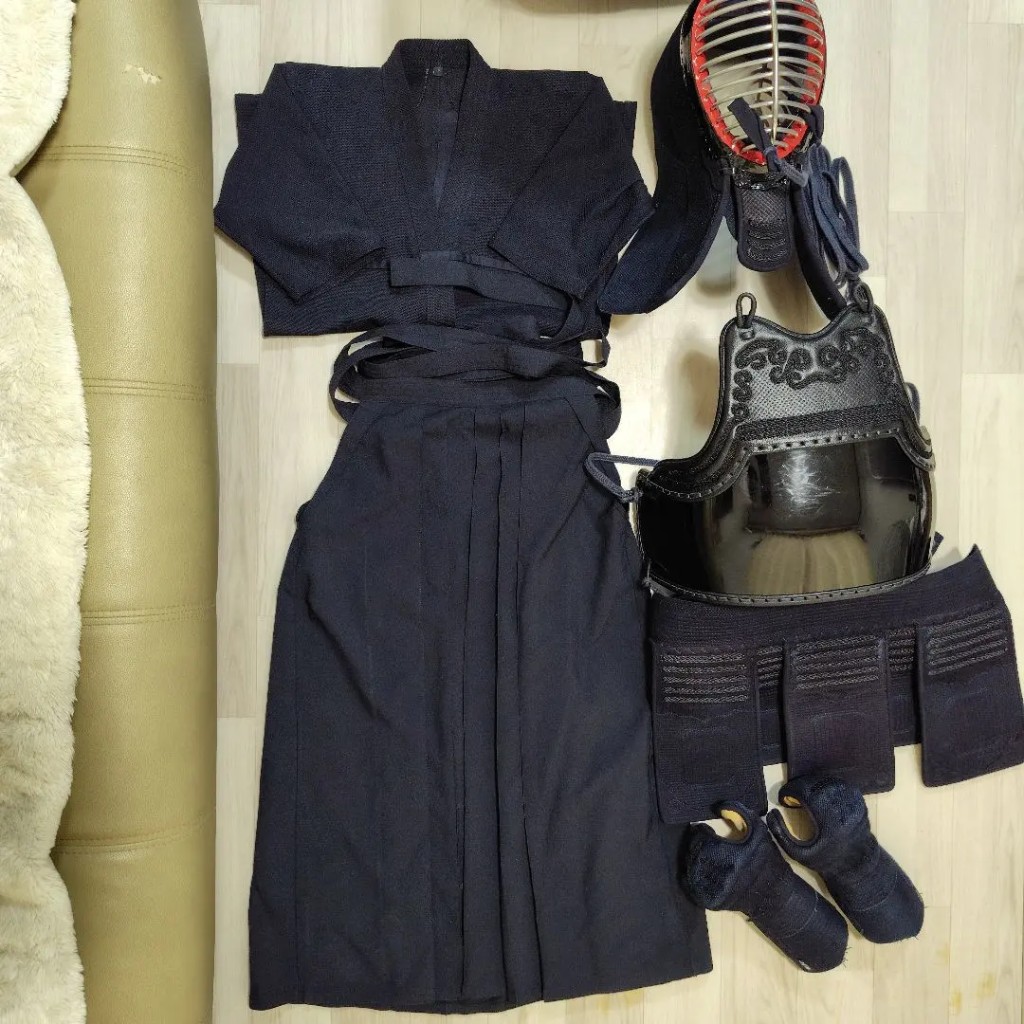
Traditional navy blue keikogi and hakama are the safest choice for adult beginners. White uniforms are sometimes seen as special-purpose and may draw criticism; musashi-pattern keikogi suits children up to about age ten, not adults. Choose reasonable quality from reputable shops rather than the cheapest online listings.
- Stick to tradition: navy blue keikogi and hakama are safest for adult beginners
- White uniforms are sometimes seen as "special use" and may draw criticism
- Women in Japan often wear white with less trouble than men — but navy blue is still safest
- Musashi-pattern keikogi is common for children up to about age 10, not for adults
- Avoid the cheapest online listings — choose reasonable quality from reputable shops
Cotton vs Polyester (Tetron)
Cotton keikogi and hakama are traditional but fade with washing. Polyester Tetron sets are affordable for early training. Faded cotton is fine at daily keiko but not at grading or tournaments. From 1st dan, add cotton sets for formal occasions and visiting other dojos.
- Cotton keikogi and hakama are traditional but fade with washing
- Polyester (Tetron) hakama sets are affordable and fine for early training
- Faded cotton is acceptable at daily keiko but not at grading or tournaments
- From 1st dan upward, add cotton sets for formal occasions
- Avoid polyester at: grading, tournaments, visiting other dojos, and hosting inter-dojo keiko
- Jersey (polyester) keikogi is popular in Japanese summer heat
- Kendo values elegance — look clean and neat even when colour has faded