
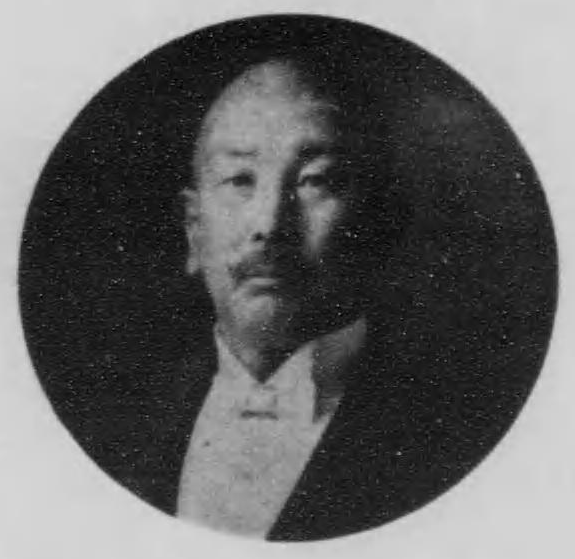
Takano Sasaburō
Takano linked sword training to education at Keishichō and universities. His line emphasises reachable kendo for students — a model familiar to Hong Kong university clubs today.
Era & Role
After the Meiji ban on swords, gekken survived as sport and discipline. Takano taught police and students, helping kendo become a nationwide educational budo rather than a samurai relic.
Specialities
Teaching methodology, kirikaeshi-centred keiko, and making kendo accessible without diluting reiho. Strong emphasis on footwork and repeated basics.
Achievements
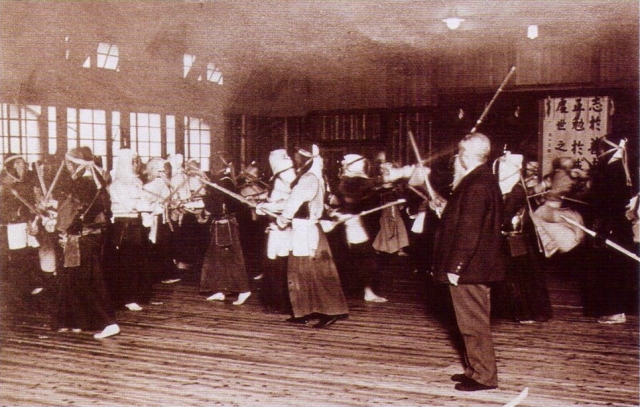
Led police kendo; influenced generations of teachers; participated in the historic 1899 Tenranjiai before Emperor Meiji. His students carried kendo to Taiwan, Korea, and overseas — including pathways that later reached Hong Kong.
What to Learn Today
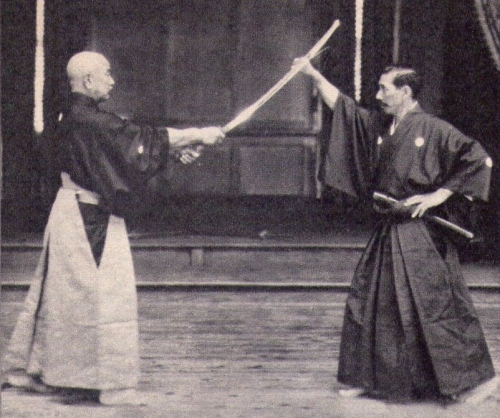
University practitioners: honour Takano by consistent attendance and senpai–kohai care, not by skipping basics for shiai tricks. Drill kirikaeshi weekly; read about/post-war-evolution for how his line survived WWII.