
Official Stance on Origins
Questions about kendo's origins—particularly its relationship to Chinese sword traditions—arise naturally among international students. Japanese governing bodies address these questions with historical scholarship and a clear distinction between cultural exchange and the specific institutional form known today as kendo.
AJKF Historical Position
The All Japan Kendo Federation presents kendo as evolving from Japanese kenjutsu traditions through a documented modernization process. Official materials emphasize the continuity of Japanese ryu-ha and the specific reforms of the Meiji and Taisho periods rather than speculative ancient genealogies.
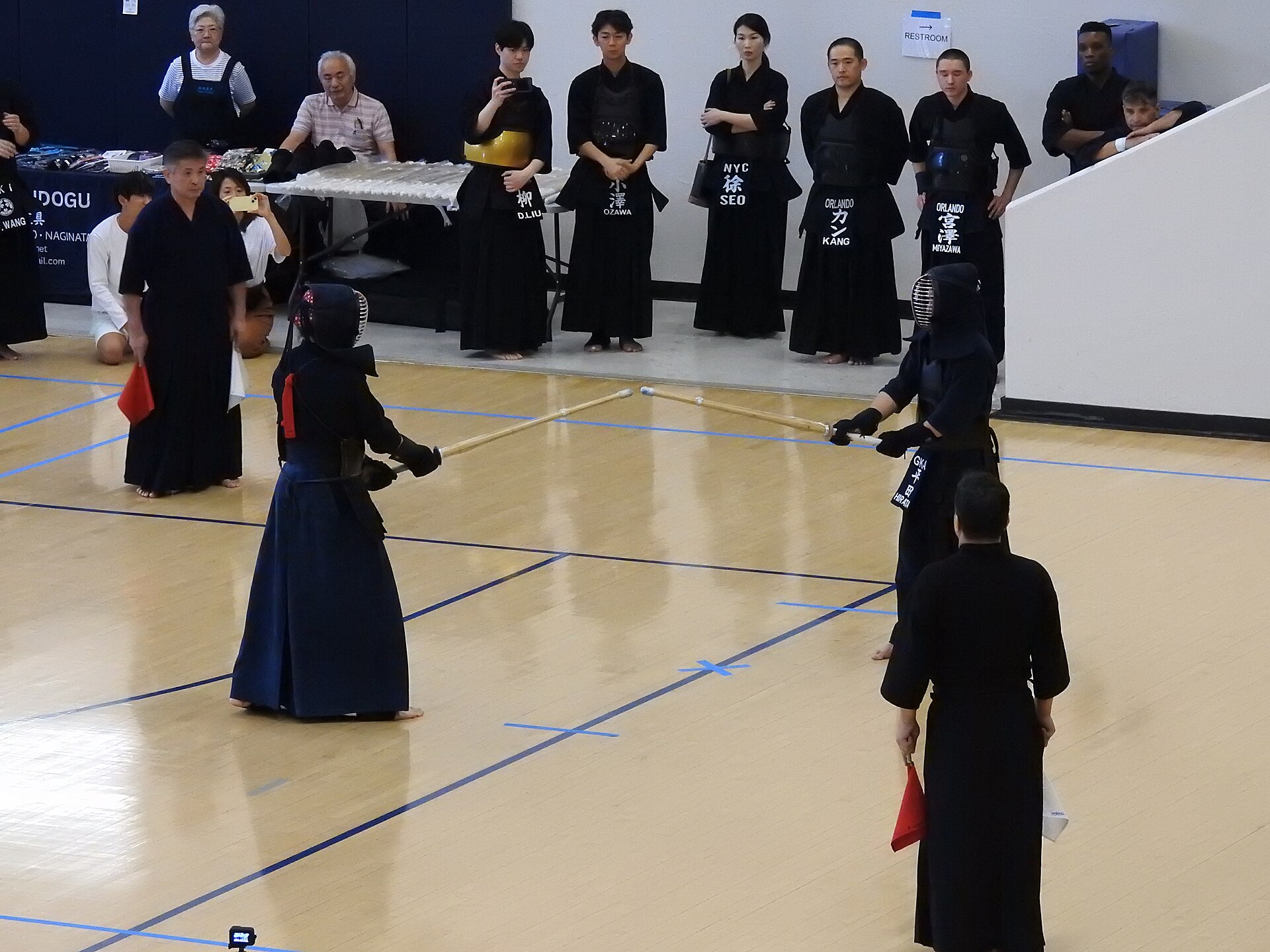
East Asian Sword Cultures
Scholars acknowledge centuries of technical and cultural exchange among Japanese, Chinese, and Korean martial traditions. Japanese sword design, metallurgy, and tactical theory developed distinctive characteristics, yet no serious historian claims any single nation invented swordsmanship in isolation.
What Defines Kendo Today
Contemporary kendo is defined by its equipment (shinai, bogu), standardized techniques, kata, grading system, and governing federations—not merely by the presence of a sword. This institutional identity was deliberately constructed and is maintained through international agreement via the FIK.
Respectful International Practice
International practitioners are encouraged to study kendo within its Japanese cultural context while honoring their own heritage. Dojo worldwide welcome diverse students who seek character development through the principles of the katana, regardless of nationality or prior martial background.
| Japan | International | National | Local |
|---|---|---|---|
| All Japan Kendo Federation | International Kendo Federation | National federations | Dojo associations |
| Prefectural associations | Continental unions | Grading standards | Community clubs |
| University leagues | World championships | Coach certification | School programs |