
Accessories & Care
Beyond the core equipment, kendo practitioners rely on accessories that protect gear, maintain hygiene, and support daily practice. From the tenugui worn under the men to the bogu bag that carries armor to the dojo, these items reflect the care kendoka bring to their training life.
Tenugui
The tenugui is a cotton headcloth worn under the men to absorb sweat and cushion the forehead. Many practitioners choose designs that reflect their dojo, region, or personal motto. Fold and tie it neatly before each session—it is part of your presentation.
Bogu and Shinai Bags
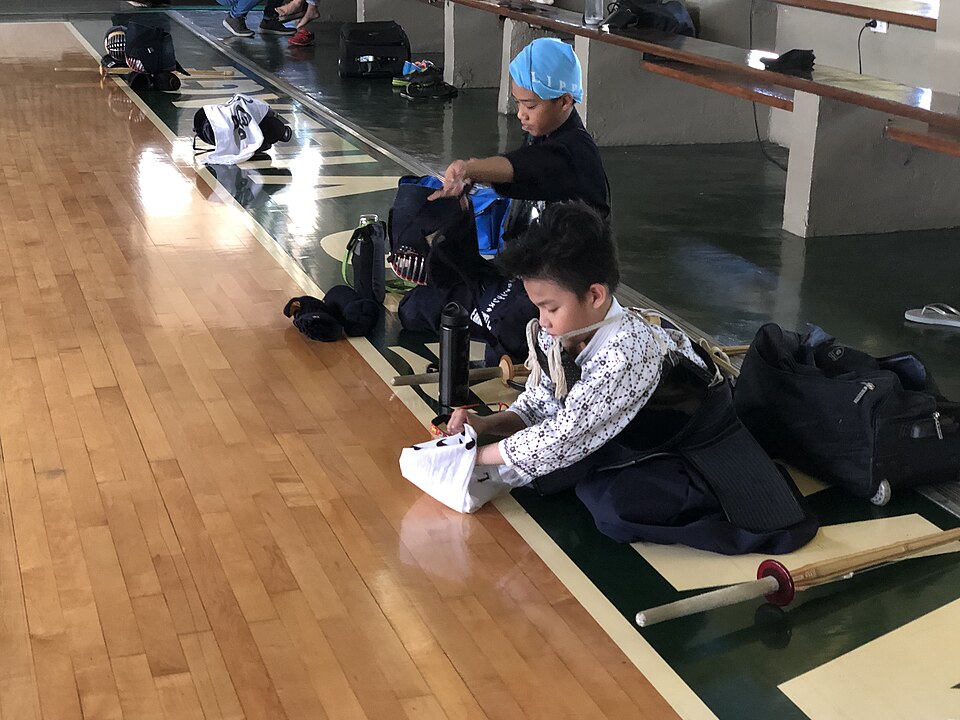
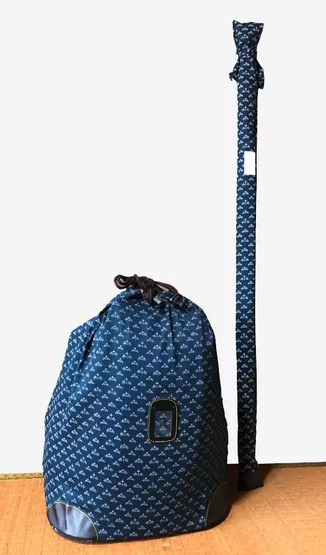
Padded bogu bags protect armor during transport and storage. Separate compartments for men, kote, and do prevent crushing. Shinai bags hold two or three shinai with ventilation panels. Invest in quality bags to protect expensive equipment over years of travel to seminars and tournaments.
Maintenance Tools
Essential tools include shinai oil, a clean cloth for wiping bogu, a sewing kit for minor repairs, and replacement saki-gawa and nakayui. A small towel for post-keiko cleanup and antibacterial spray for kote help maintain hygiene. Keep a repair kit in your bogu bag for emergency fixes.
Equipment Rotation
Serious practitioners maintain multiple shinai and tenugui for rotation, allowing each to dry fully between sessions. Bogu should air for at least 24 hours after heavy keiko. Pack bogu in the correct order after each session—practice is not finished until equipment is stored with care.
- Wipe sweat from each bogu piece after keiko
- Air-dry men, kote, and do before packing
- Fold and store tare, do, kote, and men in the correct order
- Practice is not finished until equipment is stored with care
- — Bag packing order —
- Bogu bags are for transport, not long-term storage — use newspaper and desiccant if gear must stay packed
- Pack in order: folded hakama on bottom → tare wrapped around do → men → kote → folded kendogi on top
- Unpack: kendogi and kote first; place kote right of right knee, men on top; spread tenugui on men
- Remove do with tare (name facing front) and hakama last
- Do back loop: hang men by cords for drying — do not loop cords through kote hand (damages kote)