
Kendo and Zen: Forging the Heart Through the Sword
Heart Sword Collection takes its name from the conviction that kendo is not spectacle but shugyō — forging the heart through the sword. Zen and kendo are not identical traditions, yet they share a discipline of presence: cutting away distraction, facing fear directly, and returning to the breath. This article explores how mokuso, mushin, and the AJKF ideal of character cultivation resonate with zen practice in modern Hong Kong life.
The AJKF Ideal & Modern Life
The All Japan Kendo Federation defines kendo as disciplining character through the principles of the katana. In Hong Kong's fast-paced environment, this is counter-cultural: keiko asks you to slow down, bow, and face one opponent completely. Zen temples and dojos both offer refuge from constant notification — yet kendo adds the honesty of physical contact. You cannot pretend composure when a strike lands.
Mokuso as Daily Reset
Before keiko, mokuso gathers scattered attention. Sit with spine upright, breathe slowly, and release the narrative of the day. This parallels zazen's emphasis on posture and breath — though mokuso is brief and functional. Many Hong Kong practitioners report that five minutes of mokuso improves focus more than an extra cup of coffee.
Mushin & the Single Strike
Mushin — "no mind" — is not mindlessness but freedom from fixation. In shiai, the moment you cling to scoring, you are struck. Ki-ken-tai-ichi demands that spirit, sword, and body unite in one action without hesitation. Zen speaks of "ordinary mind"; kendo speaks of "correct strike." Both reject the ego's commentary during the decisive instant.
Takuan & the Unfettered Mind
Zen priest Takuan Sōhō's letters to Yagyū Munenori — collected as The Unfettered Mind (Fudōchi shinmyō roku) — describe how fixation on outcome freezes the body. He compares the mind that "stops" on the opponent's sword to a spirit that cannot move. Kendo mokuso borrows this logic: release the last point lost, return to breath, then seme again. Fudōchi (immovable wisdom) is not rigidity but clarity that adapts — akin to fudōshin in modern kendo vocabulary.
- Primary source: Takuan, The Unfettered Mind (translations widely available)
- Concept bridge: fudōchi → fudōshin (steady spirit under pressure)
- Keiko cue: if you "watch" your own score, your kensaki stops
Yagyū & the Life-Giving Sword
Yagyū Munenori's Heihō kadensho (often titled The Life-Giving Sword) argues that sword study should nurture life — for oneself, opponents, and society. Winning without reiho is a dead sword. This aligns with AJKF character cultivation: ippon is valid only when spirit and etiquette match. Pair reading with people/yagyu-munenori; notice how Hong Kong dojo bows after hard shiai embody "life-giving" in miniature.
Fudōshin, Mushin & Keiko
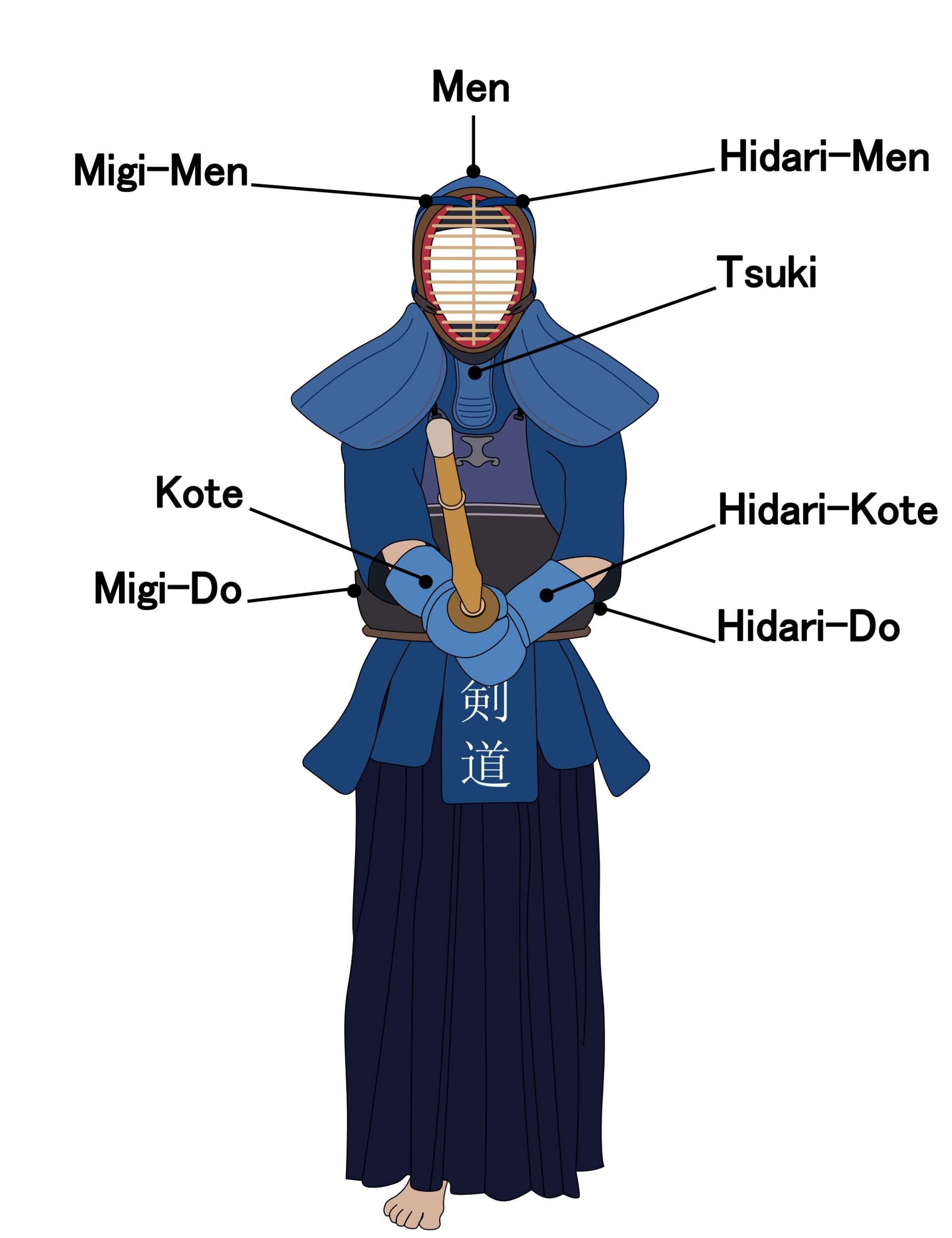
Fudōshin (不動心) names the spirit that is not shaken by provocation — distinct from mushin (無心), which is empty of clinging. In keiko: fudōshin keeps seme steady when the opponent trash-talks or rushes; mushin appears in the instant of ippon when thought disappears. Neither is an excuse to suppress emotion — both require honest fear acknowledged in mokuso, then released.
- Mokuso: acknowledge fear, do not perform calm
- Suburi: train fudōshin through repetition, not drama
- Shiai: mushin lasts one cut — then zanshin returns
Reiho & Compassion
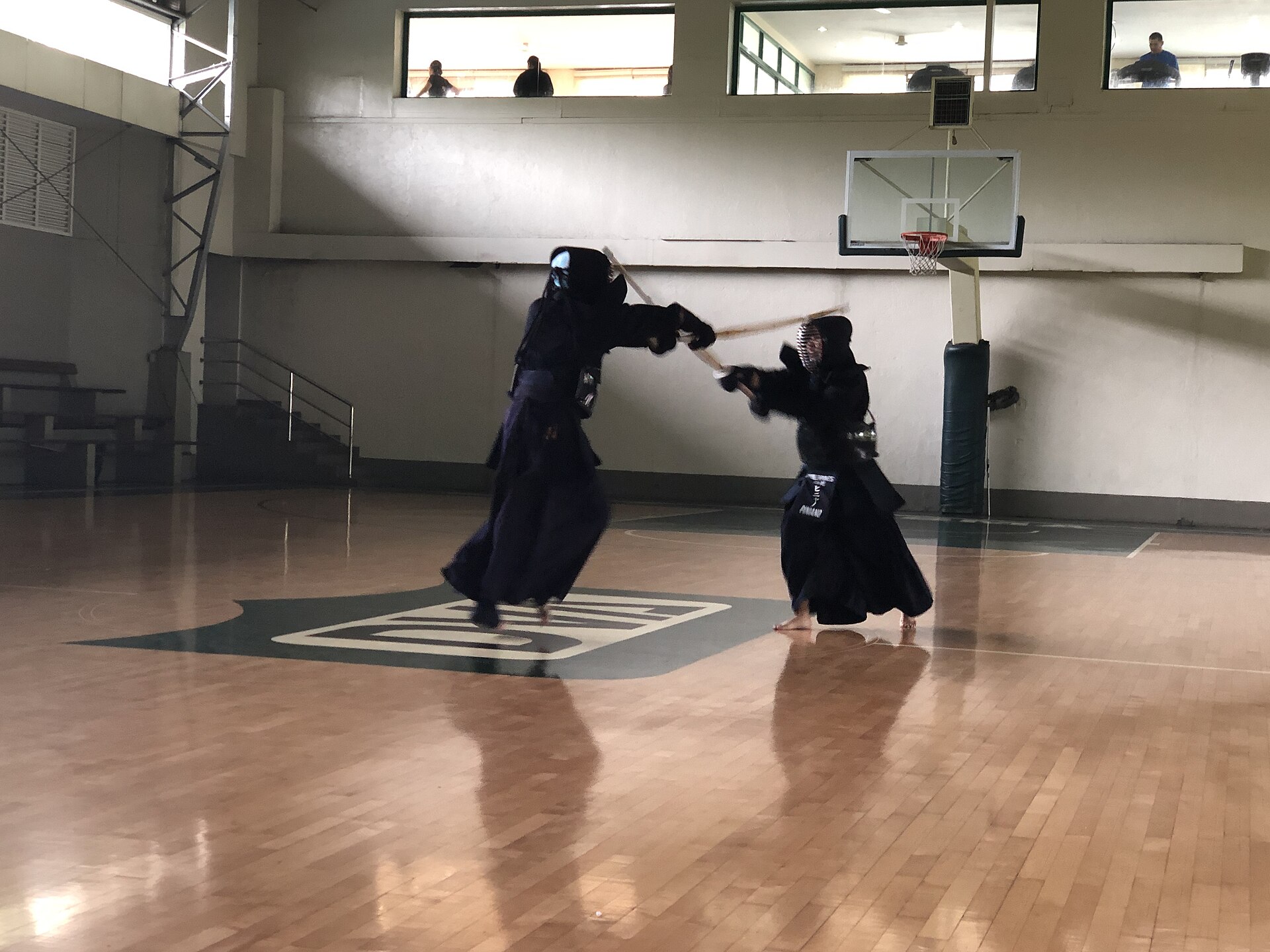
Bow to your opponent before and after combat — this is reiho as embodied respect. Zen master Dōgen wrote of carrying practice into daily activity; kendo asks the same through how you treat shinai, bogu, and seniors. In Hong Kong's competitive culture, bowing deeply to someone you just defeated is radical humility.
Carrying Practice Beyond the Dojo
The goal is not to become a warrior in the alley but a calmer, more sincere person in the office and at home. Zanshin — remaining alert after the strike — trains you to finish tasks completely. Read the Spirit of Kendo and Concept pages for deeper AJKF philosophy. Visit a zen centre if curious, but let kendo remain your primary forge.
- Further reading: Takuan, The Unfettered Mind (trans. William Scott Wilson or similar)
- Further reading: Yagyū Munenori, The Life-Giving Sword
- Further reading: D. T. Suzuki, Zen and Japanese Culture (context chapter on sword)
- Site: people/yagyu-munenori, about/spirit, resources/ki-ken-tai-ichi-guide
Watch & learn
Frequently asked questions
- Is kendo a form of zen practice?
- Kendo is a Japanese martial way (budo), not a zen school. It shares mindfulness and discipline with zen without replacing formal zen training.
- What is mushin in kendo?
- A state of clear readiness without attachment to winning or fear of losing — essential for ki-ken-tai-ichi.