
Famous Kendoka & Teachers
Heart Sword Collection profiles kendoka who shaped technique, teaching, or competitive history. These are educational sketches — not hagiography. Use them to connect daily suburi with centuries of sword culture, then bow and return to your own sensei's line.
How to Use These Profiles
Each profile covers era, specialities, achievements, and practical takeaways. Cross-link to technique waza pages and the Spirit of Kendo article. For Hong Kong readers, compare dojo reiho with the humility these figures embodied — not their celebrity.
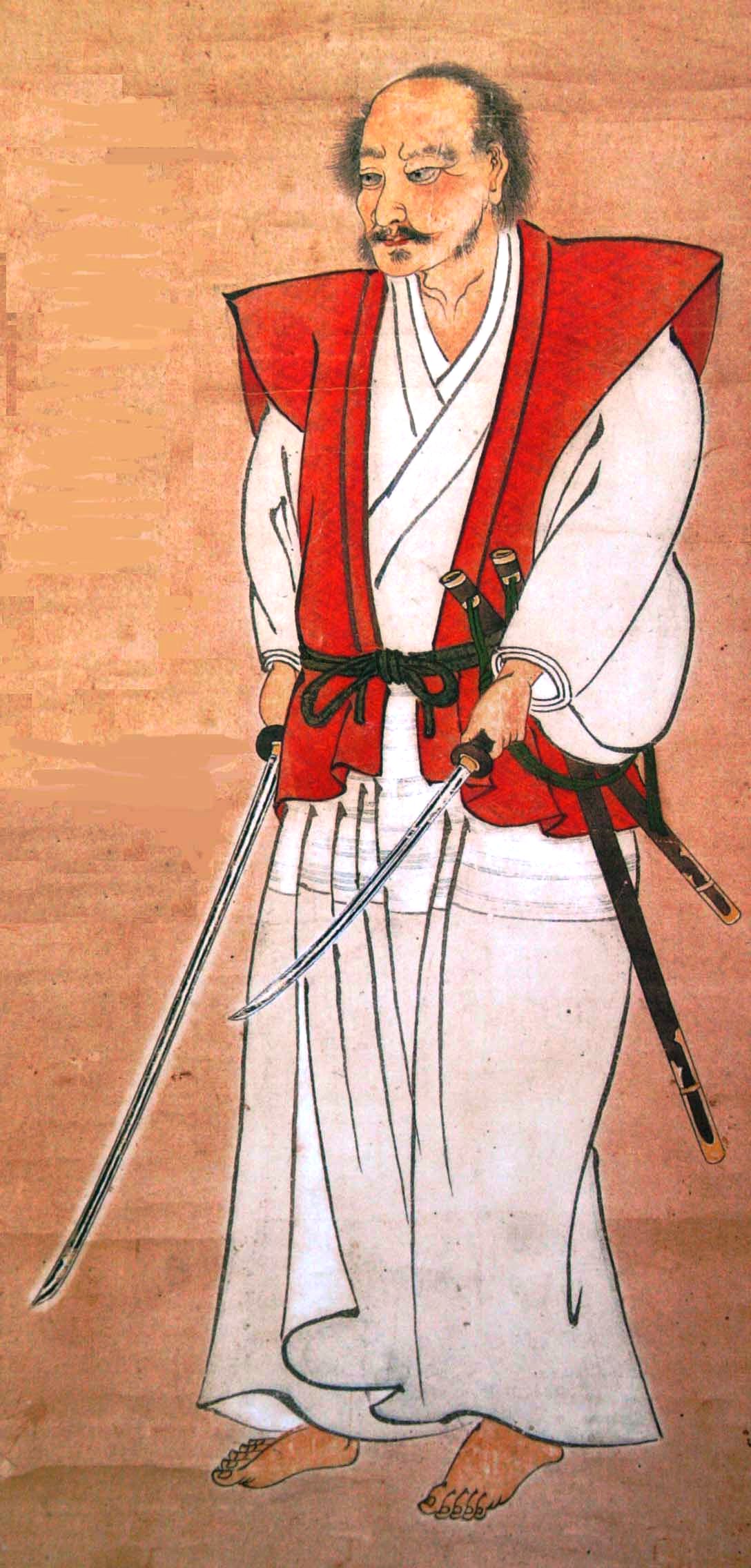
Classical & Edo Figures
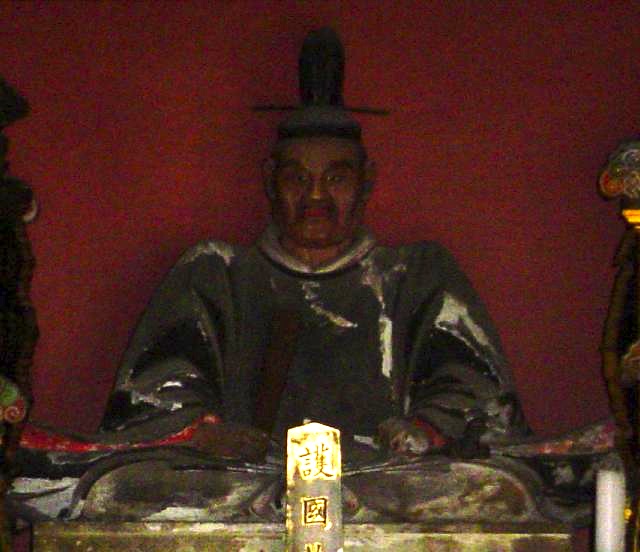
Miyamoto Musashi and Yagyū Munenori represent pre-modern sword thought that later fed kendo's mental training. Their writings complement — not replace — AJKF curriculum. Start with Musashi for strategy; Yagyū for mind–sword unity.
- people/musashi
- people/yagyu-munenori
- resources/kendo-and-zen
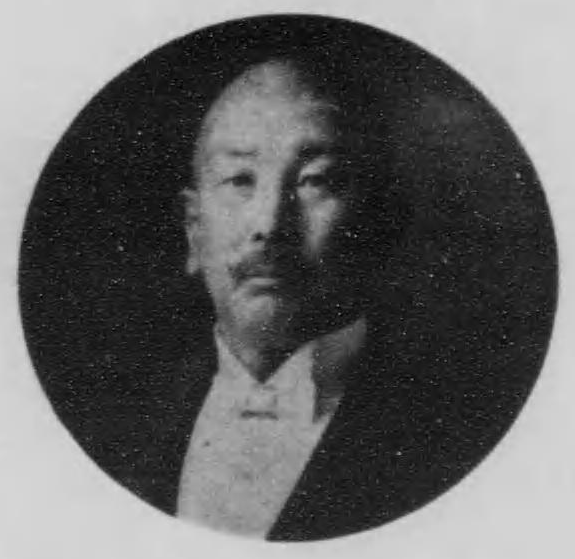
Modern Kendo Architects
Takano Sasaburō and Nakayama Hakudō bridged gekken to modern kendo, spreading teaching methods that reach Hong Kong dojos today. Study their emphasis on kata, kirikaeshi, and character — the backbone of kihon.
- Takano Sasaburō — university kendo expansion
- Nakayama Hakudō — elegance and iai influence
- Teramoto Shōji — post-war teaching lineage
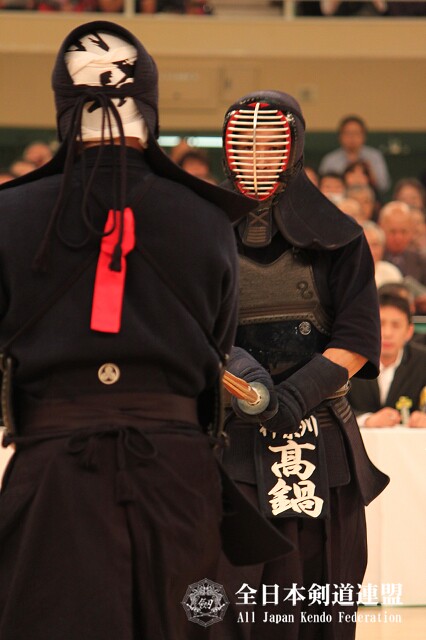
Competitive Icons
Takanabe Susumu and Eiga Naoki represent All Japan and world-level excellence in the late 20th and 21st centuries. Watch their matches for seme patience, not trick techniques. Competition is advertisement for keiko, not a separate sport.
Profile Index
Open individual pages: Musashi, Takano Sasaburō, Nakayama Hakudō, Yagyū Munenori, Teramoto Shōji, Takanabe Susumu, Eiga Naoki. Pair reading with keiko-ho and competition etiquette before debating tactics online.