
Nihon Kendo Kata: 10 Forms for Grading
Kata are predetermined forms practiced with bokuto (wooden swords) that preserve the principles of classical swordsmanship. The Nihon Kendo Kata consist of ten paired forms—seven tachi (long sword) and three kodachi (short sword)—that every serious kendoka studies throughout their career.
Purpose of Kata
Kata transmit the essence of kenjutsu—ma-ai, hasuji, kime, and zanshin—in a controlled setting. Without the protection of bogu, practitioners learn respect for the sword's deadliness and the precision required in every movement. Kata complement shinai keiko, not replace it.
- Correct datotsu directions — wrong hasuji retards movement and loses stability
- Correct ma-ai — kata always use proper strike distance unlike rushed shiai
- Correct body movement — no bogu creates psychological tension that demands natural, agile form
- Sincerity in technique — object is to execute a cut; concentration exceeds competitive winning
- Kigurai — spiritual dignity and pride nurtured through devoted kata training
- Kata and shinai kendo complement each other — both grew from the same martial tradition
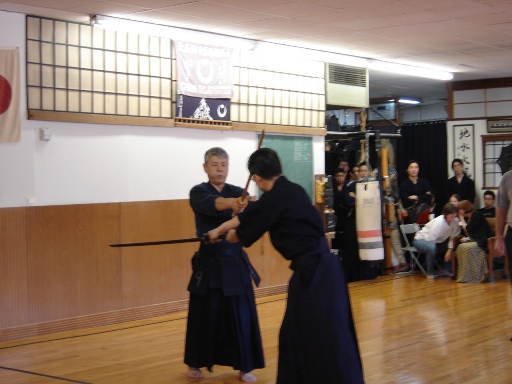
Uchidachi and Shidachi Roles
In kata, uchidachi (striking sword) leads and teaches; shidachi (receiving sword) learns through response. The roles are not attacker and defender — both carry pedagogical responsibility. Understanding this distinction transforms kata from choreography into transmission.
- Uchidachi (打太刀): "striking/presenting sword" — teacher leads and presents opportunities
- Shidachi (仕太刀): "serving/doing sword" — student responds with waza and accepts teaching
- Uchidachi verifies each step, corrects ma-ai, and ensures shidachi maintains zanshin
- Shidachi follows the lead, applies waza physically, and exercises sen, seme, and zanshin
- Goal: kata cease to be a "dance" — both strike as if life depended on it
- The heart of bujutsu is rei — instruction must communicate this or training loses meaning
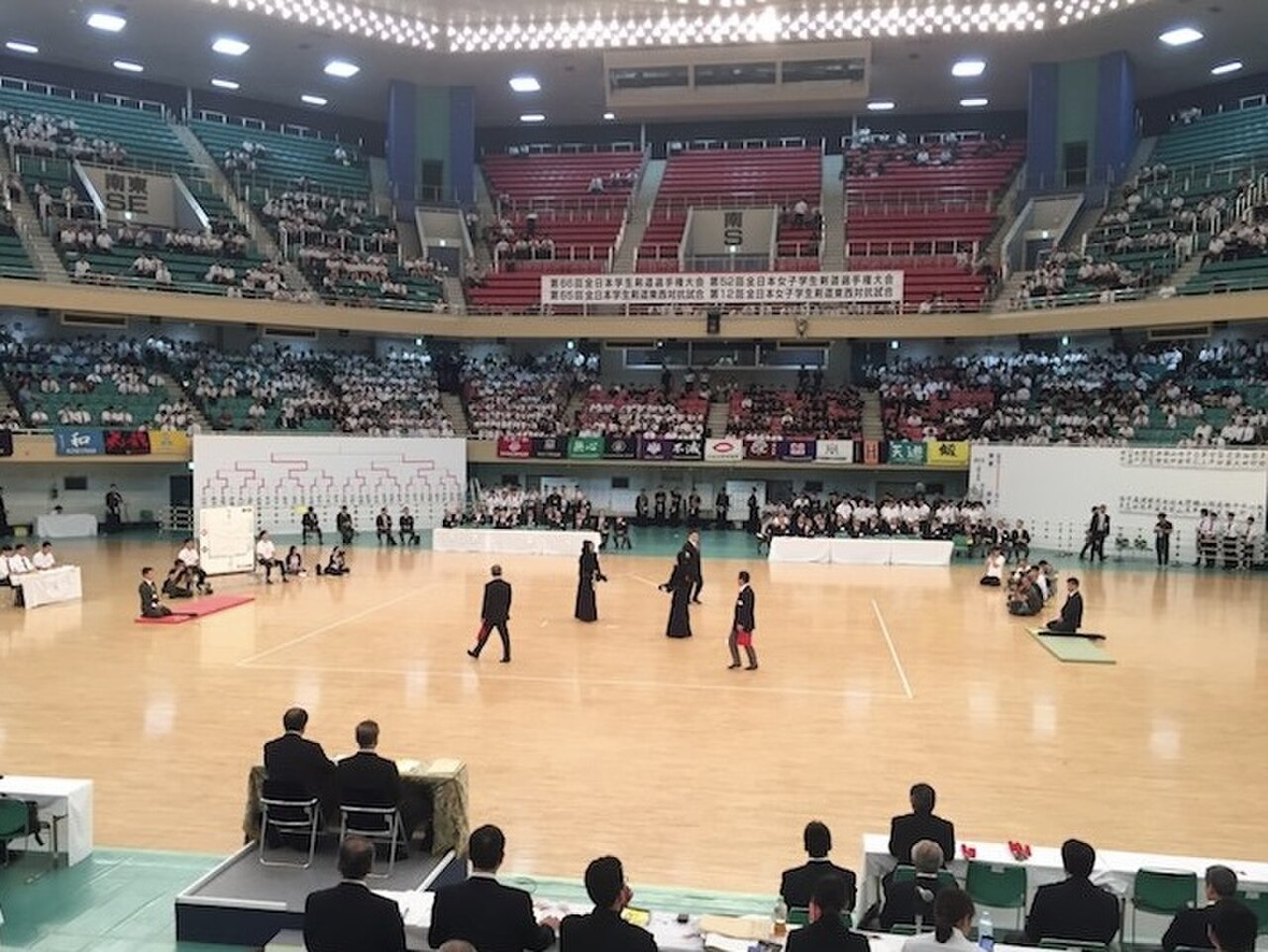
Tachi-no-Kata (Forms 1–7)
The seven tachi forms progress from ippon-me (straight thrust) through nana-me (mutual retreat and closing). Each demonstrates specific tactical situations: ai-uchi (mutual strikes), suriage, and debana. Uchidachi leads; shidachi responds and counters.
- Ippon-me: Ippon-uchi (straight thrust)
- Ni-me: Kaeshi-uchi (return strike)
- San-me through nana-me: advancing complexity
Kodachi-no-Kata (Forms 8–10)
The three kodachi forms address close-quarters combat against a longer sword. Shidachi wields the short sword, demonstrating that skill and timing overcome reach disadvantages. These forms are particularly valued for teaching courage and precise footwork.
Kata in Grading
From 1st kyu through dan examinations, kata performance is evaluated for correctness, spirit, and understanding of roles. Examiners look beyond memorized sequences to assess whether the practitioner embodies the principles each form teaches.
- Set clear goals before each keiko
- Prioritize correct form over speed
- Accept corrections with sincerity
- Maintain reiho throughout practice
Which forms an examination may ask
A widely used pattern is shodan forms 1–3, nidan 1–5, and sandan 1–7. Hong Kong follows the notice for that sitting from the Kendo Association of Hong Kong, China, not this pattern by itself.
Watch & learn
Further reading
- Free Release of AJKF Video Materials (opens external site)
Official announcement listing free kata and kihon videos.
- Kendo kata — Wikipedia (opens external site)