
Training Methods (Keiko-ho)
Keiko-ho refers to the systematic methods by which kendo is practiced in the dojo. Each format—kihon, uchikomi, kakari, ji, and gokaku geiko—serves a distinct purpose in building technique, stamina, and tactical awareness. A well-structured session balances all elements.
Kihon-geiko and Uchikomi-geiko
Kihon-geiko isolates fundamental strikes and movements with a cooperative motodachi. Uchikomi-geiko repeats specific waza at increasing speed and intensity. Together they build reliable technique before free practice begins.
Kakari-geiko
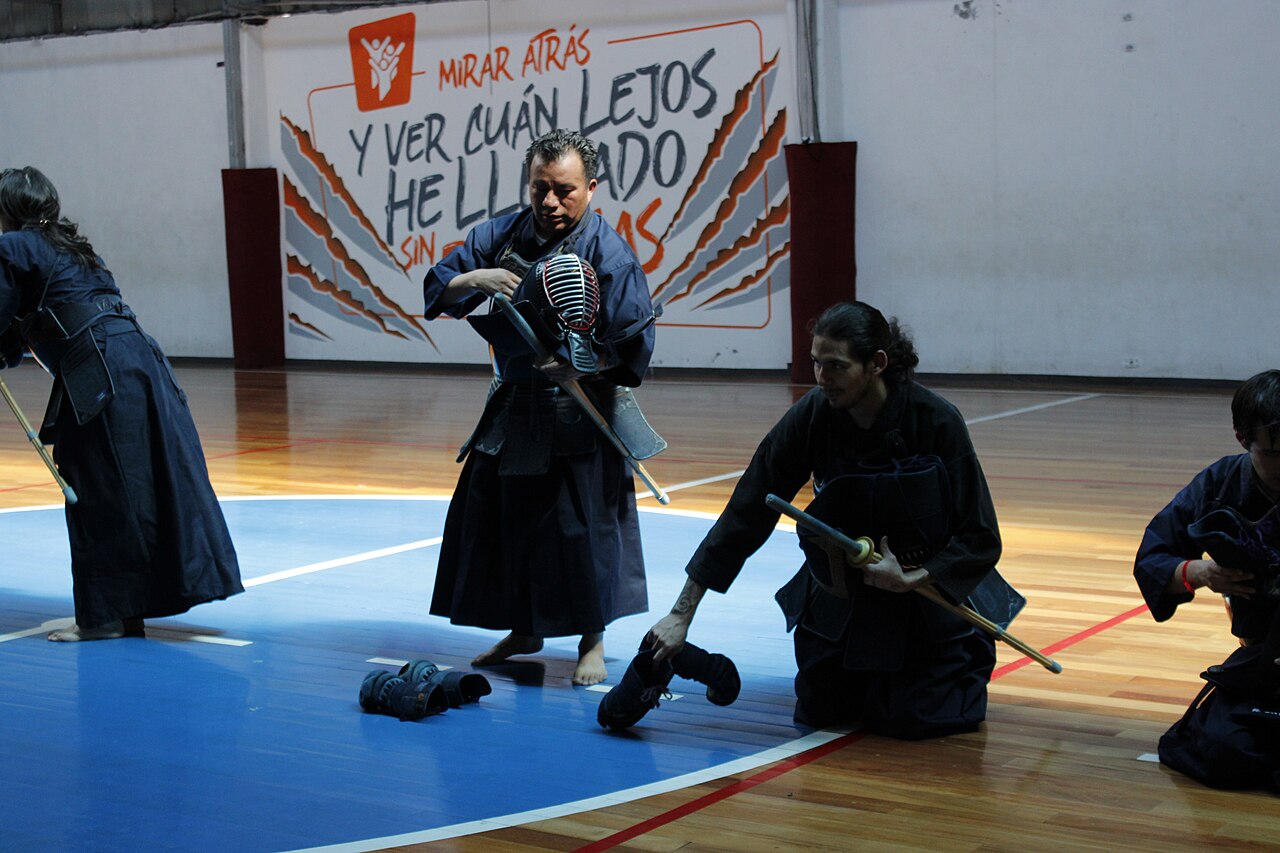
In kakari-geiko, the kakarite attacks continuously while the motodachi receives and creates openings. This demanding format builds explosive spirit, endurance, and the ability to maintain technique under relentless pressure. Brief rests between rounds prevent sloppy form.
Ji-geiko
Ji-geiko is free sparring where both partners attack and defend without predetermined patterns. It develops tactical reading, distance control, and the courage to strike when opportunity appears. Seniors moderate intensity to match the junior's level while still challenging them.
Gokaku-geiko and Shiai-geiko
Gokaku-geiko pairs practitioners of similar level for mutual benefit. Shiai-geiko simulates competition conditions with time limits and scoring awareness. Both prepare students for tournaments while maintaining the spirit of mutual improvement.
- Set clear goals before each keiko
- Prioritize correct form over speed
- Accept corrections with sincerity
- Maintain reiho throughout practice
Bokuto Kihon Keiko-ho
The nine AJKF bokuto kihon keiko-ho forms introduce shikake and oji waza before full bogu practice. Developed by senior sensei as a teaching aid, they build handling of the wooden sword while drilling fundamental attack and counter patterns.
- 1. Ippon-uchi: men, kote, do, tsuki
- 2. Ni-san-dan: kote–men
- 3. Harai-waza: harai–men
- 4. Hiki-waza: hiki–do from tsubazeriai
- 5. Nuki-waza: men–nuki–do
- 6. Suriage-waza: kote–suriage–men
- 7. Debana-waza: debana–kote
- 8. Kaeshi-waza: men–kaeshi–do
- 9. Uchiotoshi-waza: do–uchiotoshi–men
Harai, suriage, and uchiotoshi
These are practice methods, not a separate catalogue. Harai meets the opponent’s shinai near the middle and turns it aside with the wrists, then strikes at once. Suriage slides up their shinai so the cut rises off the target, and the reply is already in that motion. Uchiotoshi comes a half-beat earlier and knocks their shinai down at the middle, then continues into the attack. A block that stops is not the point. The fuller families are on the oji and harai-hiki pages.
How to enter ji-geiko
Ji-geiko checks what you have learned: distance, timing, and a calm mind. Winning is a side effect. Bow in, say onegai-shimasu, rise from sonkyo together, and keep the power inside what your partner can receive. Stop at once if someone is hurt. Afterwards return to the centre, sonkyo, and arigato gozaimashita. Beginners hold chudan and ask why a hit landed. Intermediate kendoka pick one theme for the bout. Later, you read the partner and set the distance. Change partners, and spend a few minutes afterwards on what worked.