
Renzoku Waza
Renzoku waza chain datotsu into one flowing attack — typically kote-men or kote-men-do. Each beat must carry cutting spirit; judges award the last valid strike if the sequence is unified. Renzoku trains seme persistence and footwork rhythm.
Flow & Ki-ken-tai
Renzoku is not three separate strikes — it is one seme with three tenouchi peaks. Kiai may peak on the scoring men or do. Feet stay alive; stopping after kote kills the men.
Classic Sequences
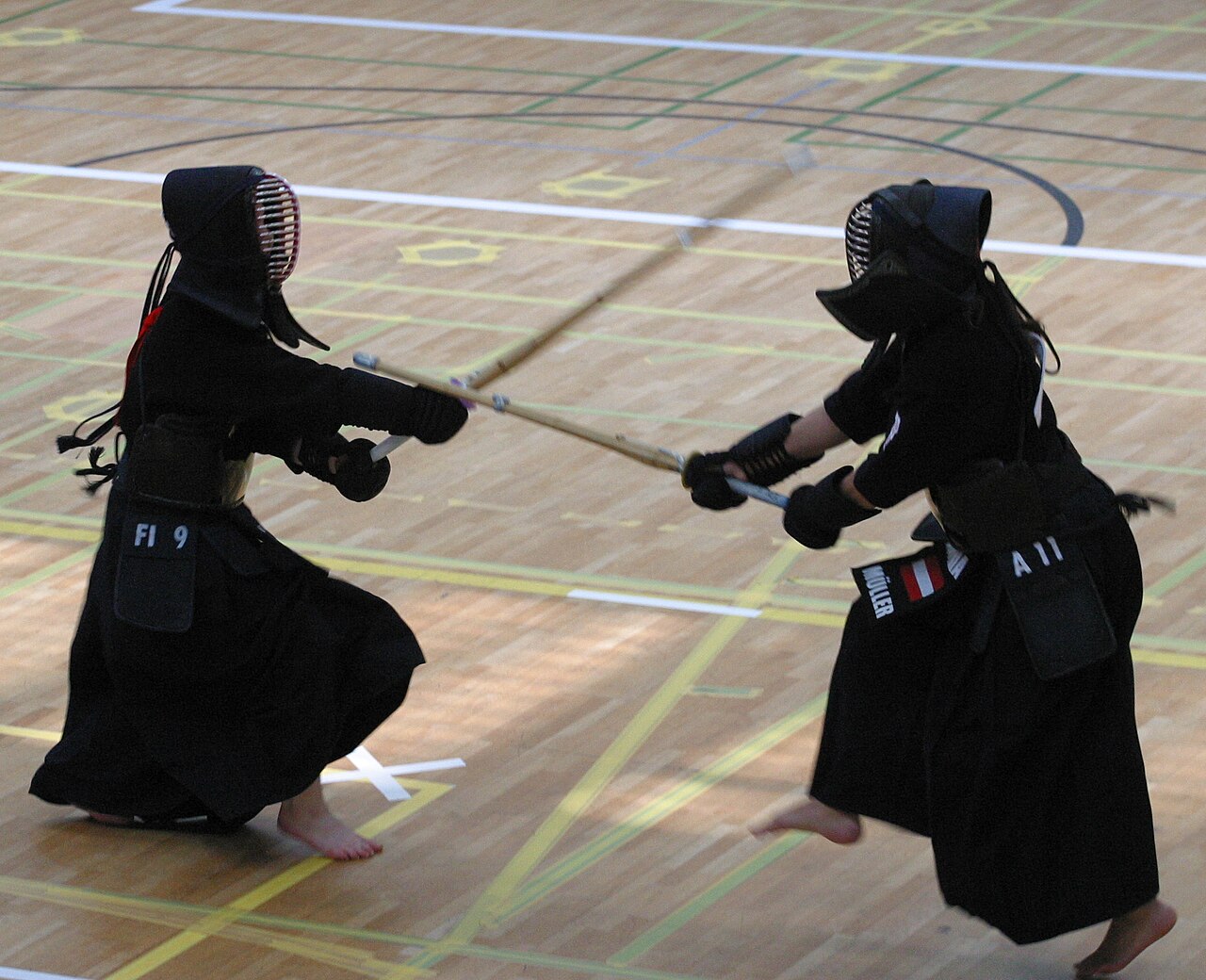
Kote-men is the gateway renzoku. Kote-men-do adds hip rotation for do. In shiai, renzoku often follows broken seme when the opponent's kote line opens first.
- Kote-men: compact kote, immediate furi to men
- Kote-men-do: do on passing line
- Practice with metronome footwork counts
A point sensei often mention
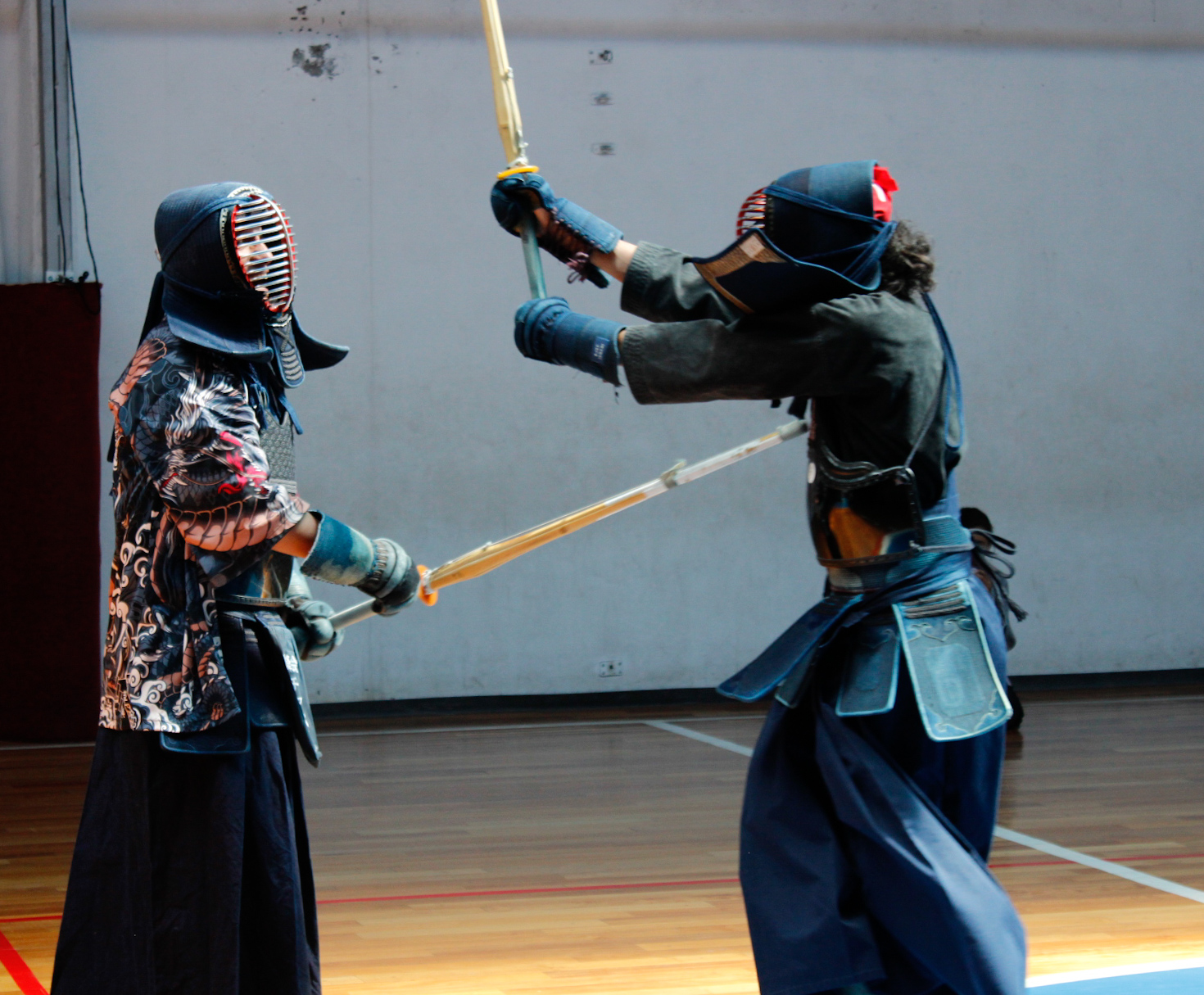
Windmill arms without sae look noisy, not sharp. Separate kiai on each hit breaks unity. Chasing renzoku without first strike quality wastes energy.
Drills
Uchikomi: kote-men ×10, then kote-men-do ×5. Kakari-geiko: announce renzoku before each burst. Return to waza-kote and waza-men pages if the components degrade.
Six continuing attacks
Men-kote makes the first men real enough that the opponent lifts, then turns the wrists into kote without a pause. Kote-do flicks kote and continues into the side of the do. Men-do uses a committed men so the opponent covers high, then you pass and cut do. Nidan-waza shows a men feint that matches a real cut, waits for the opponent to answer, and only then strikes; the gap is a short beat, not a counted time. Harai-waza sweeps and cuts in the same motion. Hikiotoshi steps back, guides the attack past, and answers kote as the opponent’s weight comes forward. See also oji-waza and harai-hiki.
- Men-kote, kote-do, and men-do: the first cut has to look real
- Nidan-waza: a short beat between the feint and the real cut
- Harai-waza and hikiotoshi: the reply is in the same motion
- Practice order: slow parts, agreed sequence, then speed, then ji-geiko
Watch & learn
Frequently asked questions
- Is this shikake-waza or oji-waza?
- See module one — each page notes its family. Many waza blur the line when seme is strong.