
Bogu Selection & Care for Hong Kong's Climate
Hong Kong's subtropical humidity challenges every kendoka's equipment. Bogu that dries slowly develops odour, mould, and weakened stitching; shinai swell and crack if stored wet. This guide covers sizing decisions before your first purchase, daily post-keiko routines in shared sports centres, and long-term care so your armour serves years of keiko without disrespecting partners or your investment.
Before You Buy
Rent or borrow bogu for your first months. When purchasing, visit a reputable dealer or ask sensei to measure men, do, tare, and kote. Student sets suit Hong Kong beginners; titanium or hybrid men are lighter for long summer keiko in air-conditioned halls. Budget for a breathable bogu bag, two tenugui, and shinai maintenance tools — not only the armour itself.
Post-Keiko Drying Routine
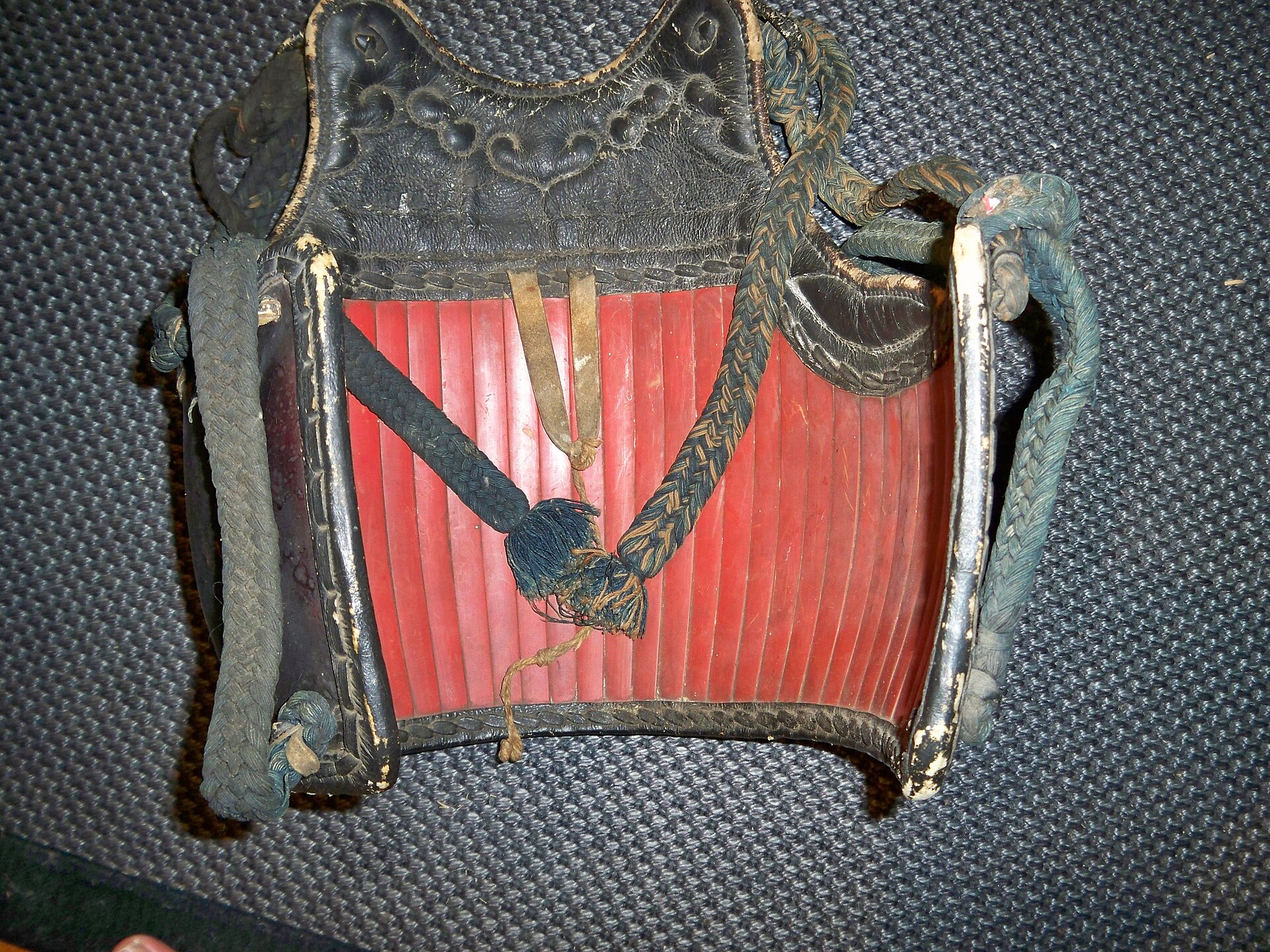
After keiko: wipe sweat from men and kote with a dry tenugui, loosen himo, and hang bogu on a stand or wide hanger in airflow — not against a cold concrete wall. Do not rinse bogu under a tap, and do not zip a damp set into the bag for the ride home. In Hong Kong sports centres with limited time, unpack at home within two hours. A small fan speeds the drying.
- Wipe shinai with oil cloth after practice
- Hang kote with fingers extended — not crumpled
- Never leave bogu in a car trunk overnight
Mould & Odour Prevention
Drying is the rule. A mild vinegar spray on men padding, then a full air-dry, is a community habit some Hong Kong practitioners use in summer. It is not an All Japan Kendo Federation or FIK method, and it does not replace airflow. Sun-dry only briefly and avoid direct harsh noon sun on leather. If mould appears, stop using the piece, clean per manufacturer guidance, and consult sensei. Persistent odour usually means insufficient drying.
Shared Venue Considerations
Community centres and school halls may restrict where you can dry equipment. Carry a thin towel for locker-room floors, respect closing times, and never leave bogu unattended in public corridors. Coordinate with sempai — some Hong Kong dojos share drying rooms or rotating fan schedules.
When to Repair or Replace
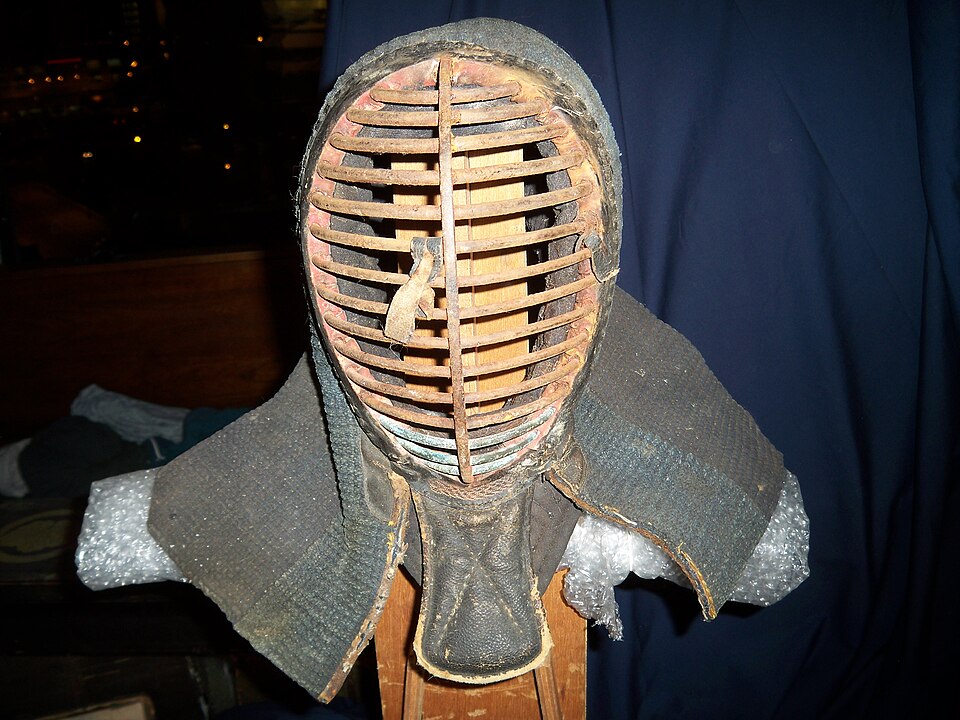
Frayed men himo, cracked kote padding, or split do odoshi need professional repair before continued keiko. Shinai must be replaced when splinters appear — Hong Kong humidity accelerates bamboo fatigue. Review the Bogu and Shinai equipment pages for part names so you can describe issues clearly to dealers.
Frequently asked questions
- How soon should I dry bogu after keiko in Hong Kong?
- Unpack and air within two hours; same evening is essential in summer.
- Should beginners buy new bogu immediately?
- No — rent or borrow until your sensei confirms commitment and sizing.