
Kendo Match Rules: Court, Time & Scoring
Official kendo competition rules are governed by the International Kendo Federation and implemented by national federations worldwide. Understanding match structure, time limits, and scoring systems prepares practitioners for shiai at every level—from local tournaments to the World Kendo Championships.
Match Area and Equipment
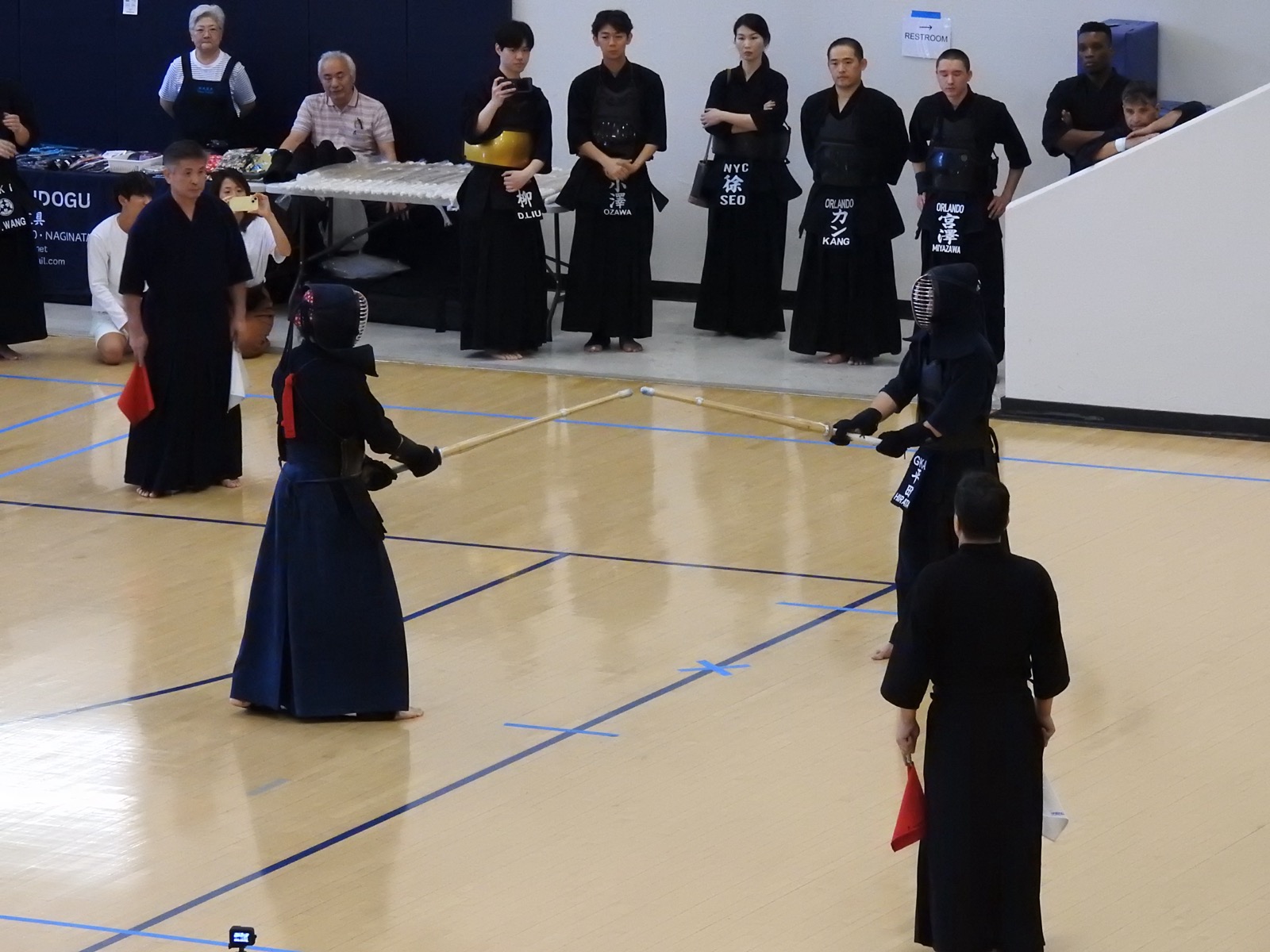
Competition takes place on a court of regulated size with marked boundaries. Competitors wear regulation bogu and carry approved shinai inspected by officials. Tsuba must be secured, and men ties must be properly fastened. Equipment checks occur before each match.
- Competitors enter from opposite sides and bow to the shinpan-dai (referee stand)
- Shinpan (referees) sit at the court edge with clear view of both kendoka
- Valid strikes: men, kote, do, tsuki — match won by two ippon or one ippon at time expiry
- Stepping out of bounds or dropping the shinai may result in hansoku (penalty)
Match Duration and Format
Individual matches often run about three minutes, or until two ippon are scored; some events use a longer clock. Team size is set by that event’s regulations, commonly a fixed order of bouts. Enchō (overtime) and hantei (judge decision) resolve ties when time expires without a clear winner. Please confirm timing, team size, and the shinai check with the organiser. In Hong Kong, follow that year’s HKKA notice.
Valid Targets and Prohibitions
Valid strikes are men, kote, do, and tsuki. Dangerous tsuki, striking non-target areas deliberately, leaving the court without permission, and disrespectful conduct result in penalties or disqualification. Wrestling, tripping, and striking with the shinai shaft are forbidden.
- Men — crown of the head (centre) or either temple
- Kote — right wrist at waist level, or either wrist above chest height
- Do — either side of the torso
- Tsuki — thrust to the throat with the shinai tip
- Match won by two ippon, or one ippon if only a single point is scored in time
Penalties and Hansoku
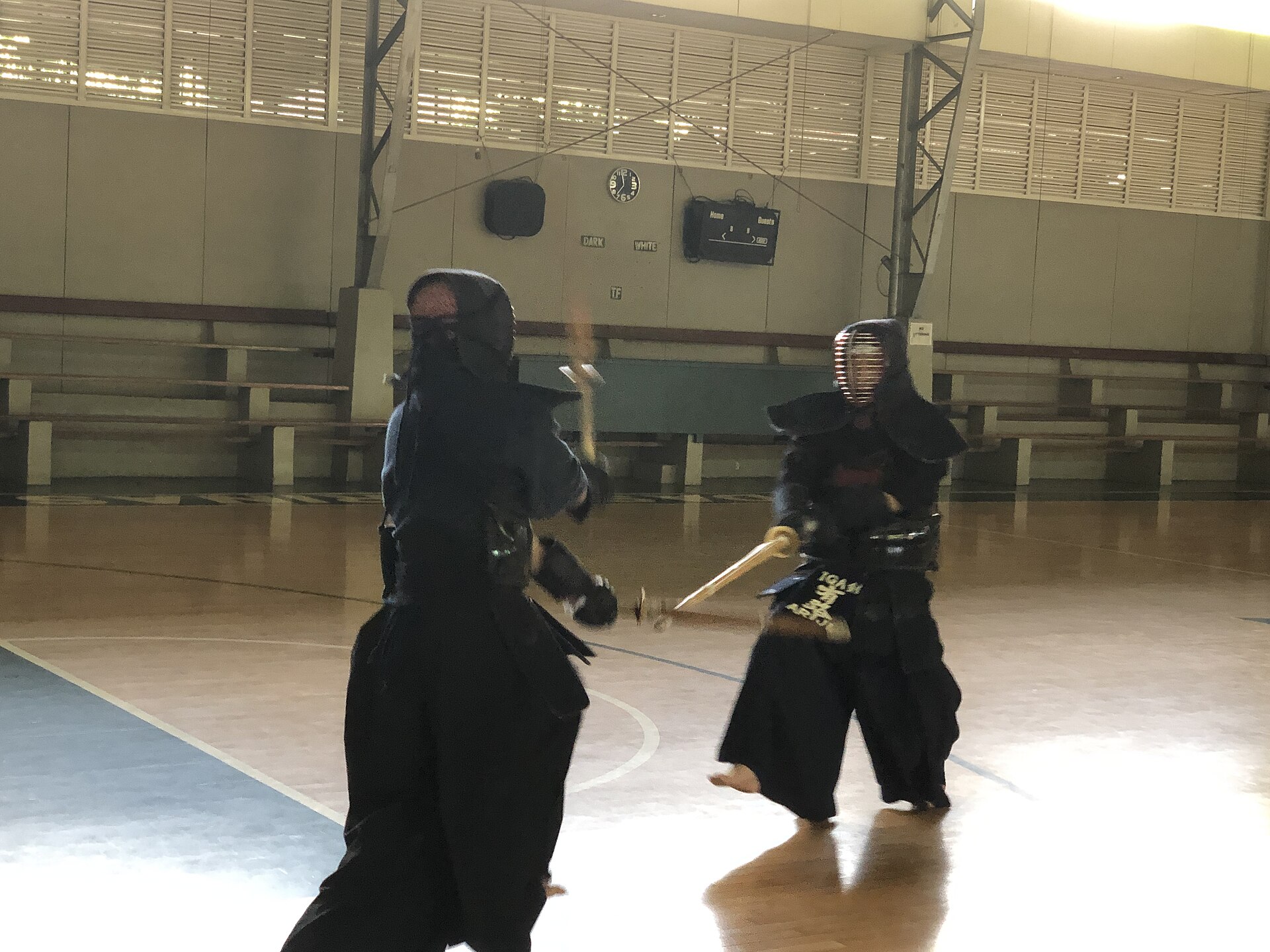
Hansoku (rule violations) range from warnings to ippon awarded to the opponent. Stepping out of bounds, dropping the shinai, or dangerous play can cost a match. Competitors must understand that judges penalize intent and negligence, not only accidental contact.
- Set clear goals before each keiko
- Prioritize correct form over speed
- Accept corrections with sincerity
- Maintain reiho throughout practice
Watch & learn
Further reading
- International Kendo Federation (FIK) (opens external site)
International competition rules and federation governance.