
What Counts as Valid Ippon in Kendo?
Ippon is the single decisive point that wins a kendo match—or the building block toward a two-point victory. A valid ippon requires far more than touching the target; judges evaluate five integrated criteria that together define a perfect strike. Understanding ippon transforms how practitioners approach both shiai and keiko.
Ki-Ken-Tai-Ichi (Spirit, Sword, Body)
The first criterion requires that spirit (kiai and intent), the sword (correct hasuji and tenouchi), and the body (footwork and posture) arrive as one at the moment of impact. A strike where the foot lands after the shinai, or kiai comes too late, fails this fundamental test regardless of contact.
Kamae and Posture
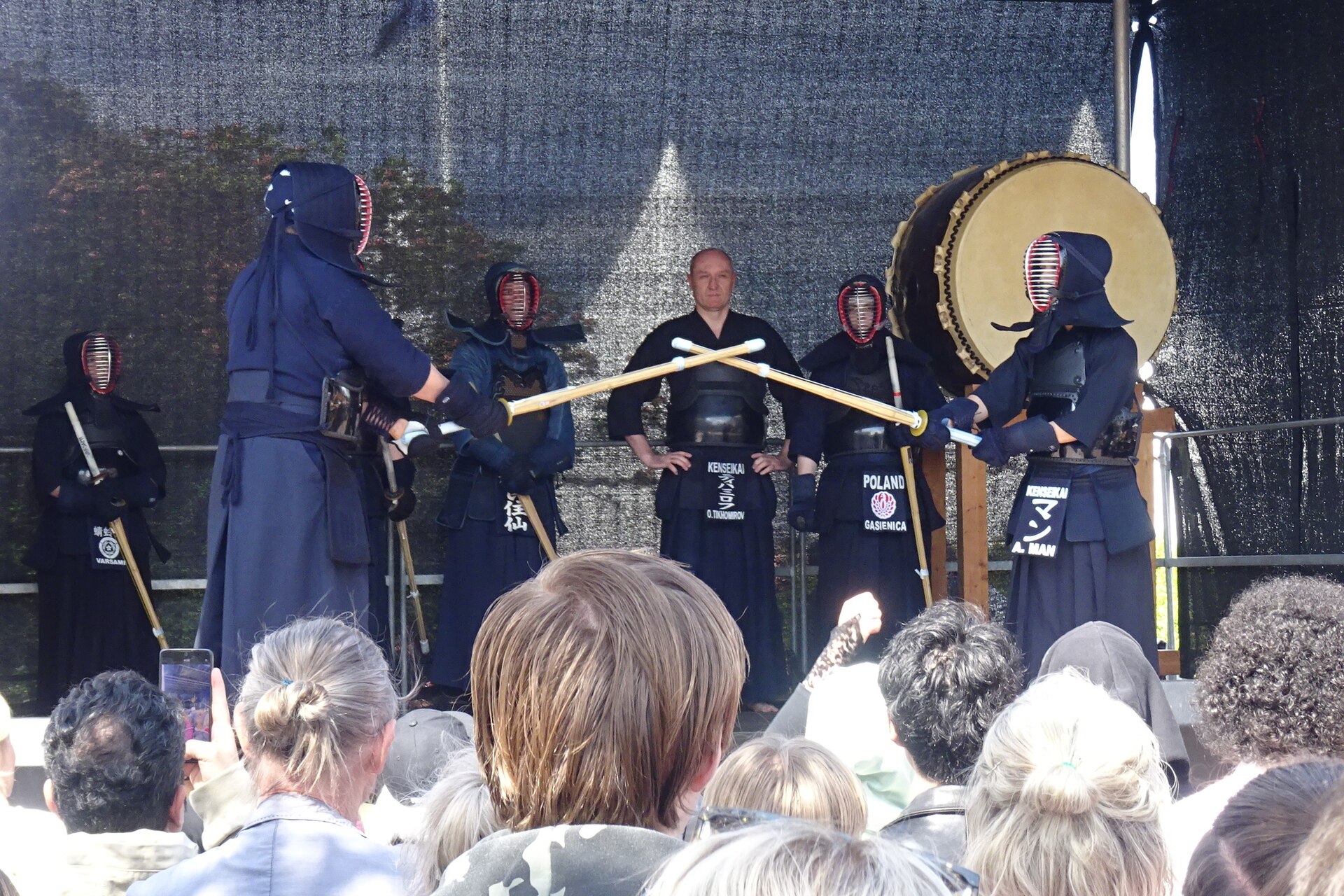
Valid ippon demands proper kamae before, during, and after the strike. Collapsing posture, exposing the body recklessly, or striking from a disorganized position disqualifies the point. The striker must show control—center low, back straight, and balance maintained through zanshin.
Datotsu no Keiko (Strike Accuracy)
The strike must land on the correct target with proper hasuji. In shiai the only valid yuko-datotsu are men (crown or temples), kote (wrist at the correct height), do (either side of the torso), and tsuki (throat thrust). Glancing blows and pushes do not qualify.
- Men — crown of the head (centre) or either temple
- Kote — right wrist at waist level, or either wrist above chest height
- Do — either side of the torso
- Tsuki — thrust to the throat with the shinai tip
- Match won by two ippon, or one ippon if only a single point is scored in time
Zanshin (Continuation of Awareness)
After striking, the kendoka must maintain alert readiness—body poised, spirit engaged, eyes on the opponent. Turning away, dropping kamae, or celebrating prematurely negates ippon. Zanshin demonstrates that the striker remains prepared for the opponent's response.
Datotsu no Kikai (Opportunity) and Sword Spirit
The striker must seize a genuine opening created by seme or the opponent's movement—not chase a retreating target. Datotsu no kokoro (sword spirit) means striking with decisive intent to cut, not tapping for contact. Together, opportunity and spirit distinguish ippon from incidental touches.
- The criteria are applied together
- Three referees; both flags raised is ippon
- The decision is what the referees saw