
Warm-up & Conditioning
Proper warm-up and cool-down protect the body and prepare the mind for keiko. Kendo's explosive movements—fumikomi, deep kamae, and rapid strikes—place significant demands on legs, hips, shoulders, and wrists. Neglecting taiso invites injury and shortens a practitioner's career.
Taiso and Stretching
Dojo taiso typically includes joint rotations, light jogging, and dynamic stretches targeting the ankles, knees, hips, and shoulders. Static stretching is reserved for after keiko when muscles are warm. Consistent flexibility work improves fumikomi depth and kamae stability.
Suburi Warm-up Progression
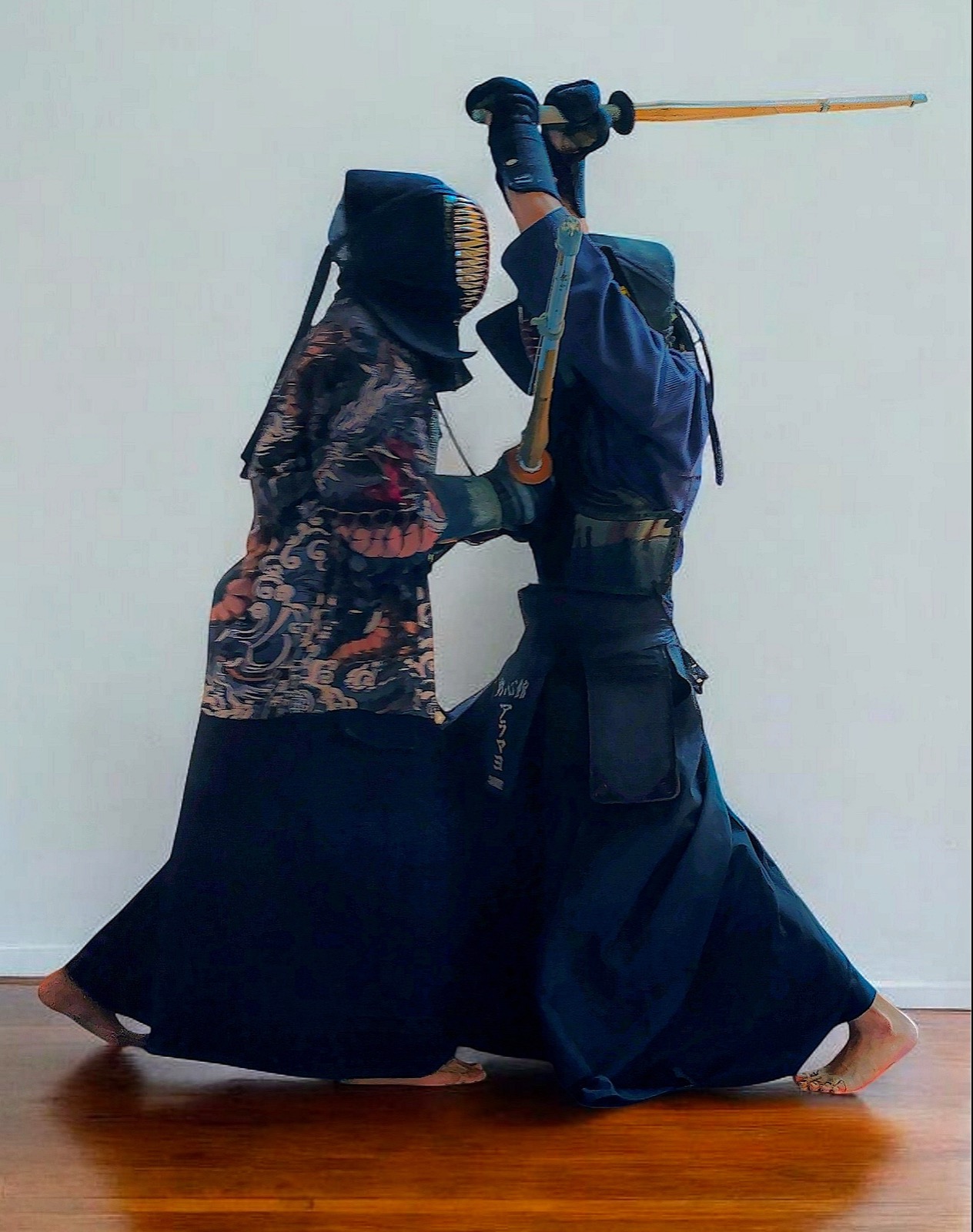
Begin with slow joge-buri to loosen shoulders, progress to naname-buri for wrist engagement, and finish with hayasuburi to elevate heart rate. This sequence mirrors the intensity curve of full keiko and activates the muscle groups used in striking.
- Joge-buri — vertical swings; push up with the left hand, right hand guides
- Naname-buri — diagonal cuts at roughly 45 degrees
- Hayasuburi — fast swings to raise heart rate before keiko
- Both hands travel on a vertical line through the body centre
- Glide the feet with okuri-ashi on each downward cut
Footwork Drills
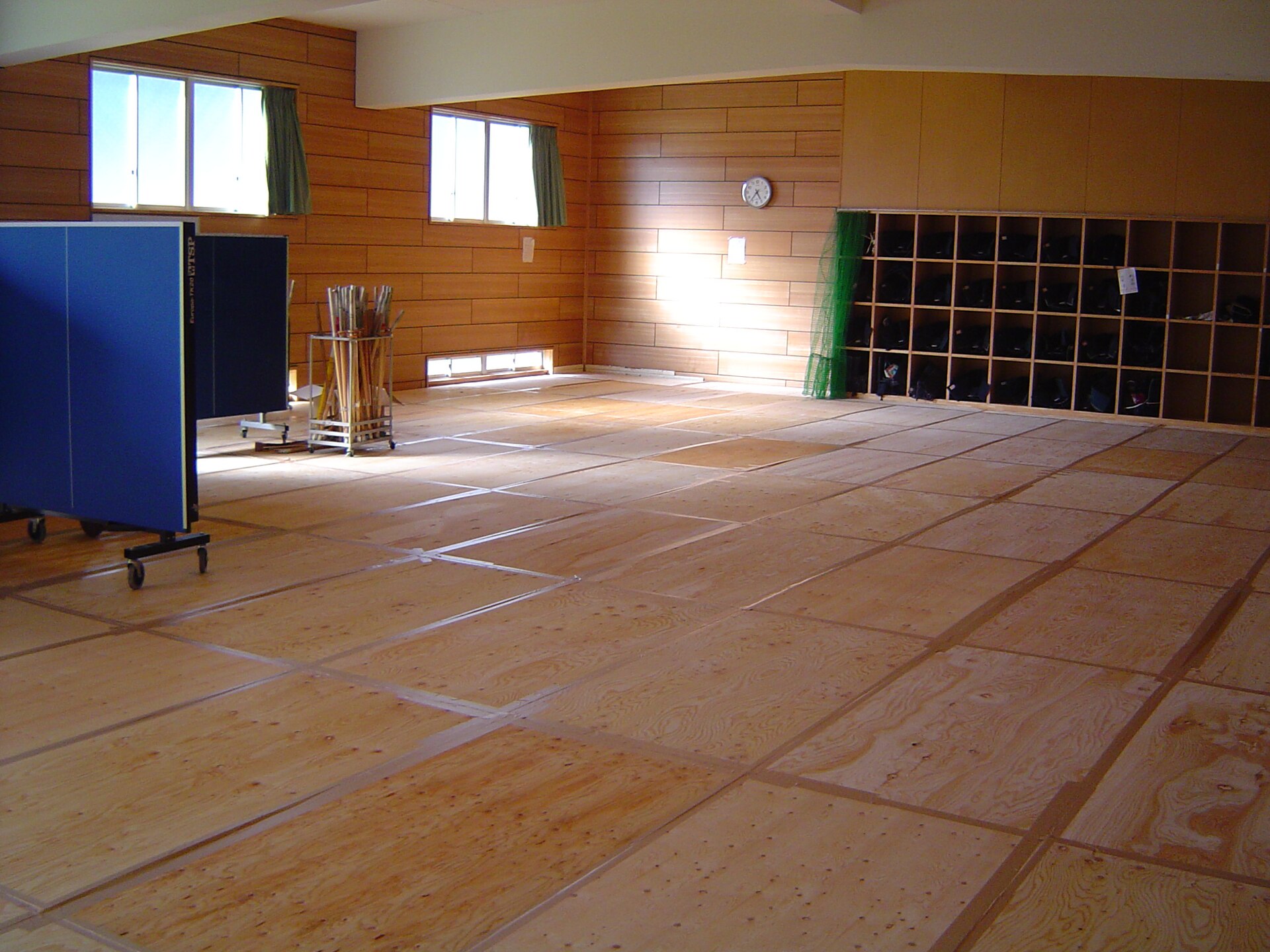
Light okuri-ashi across the dojo, fumikomi practice without striking, and sonkyo (squat) transitions prepare the lower body. These drills also reinforce correct form when fatigue has not yet compromised posture.
Cool-down and Recovery
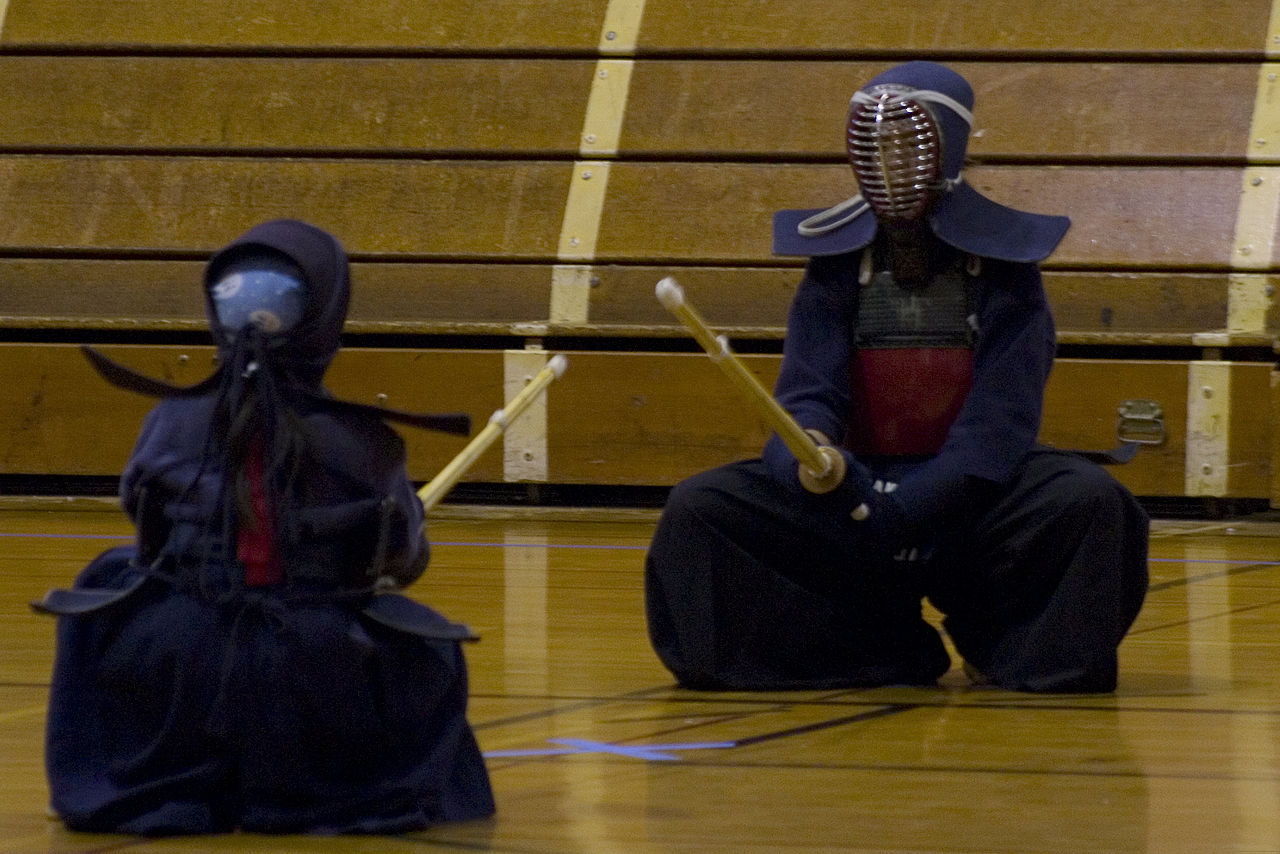
After keiko, practitioners bow out, remove bogu, and perform static stretches and breathing exercises. Gentle suburi or walking helps lower heart rate. Hydration and adequate rest between sessions allow the body to adapt and grow stronger over years of practice.
Common Injuries & Prevention
Kendo has no punching or kicking, yet repetitive movements cause predictable injuries: Achilles tendon strain from fumikomi, carpal tunnel from grip work, back pain from over-straightening, and blisters on the left hand and foot. The secret is not to train too much too soon — rest at the first sign of pain and consult a doctor.
- Left Achilles tendon snap — common from fumikomi repetition
- Carpal tunnel syndrome — from repeated wrist and grip strain
- Back pain — often from over-straightening the spine
- Blisters — especially on the left hand and left foot
- Secret to avoidance: do not train TOO much, especially without natural athletic ability
- If you feel pain anywhere, rest and see a doctor before it becomes chronic
- Pain signals either overtraining or incorrect technique — step back and ask your teacher
- Self-awareness is the key to prevention and recovery
Kendo as Exercise — Take It Easy
Kendo is effective exercise — mainly anaerobic bursts with kiai on each strike. Many fit newcomers struggle at first because the movements are unfamiliar. Beginners should take it easy: sore muscles and blisters are normal, and simple footwork drills are easy to overdo. Let your body adapt before increasing intensity.
- Kendo is good exercise — both aerobic and anaerobic, mainly short explosive bursts
- Unlike weight training, we kiai (breathe out) while striking instead of holding breath
- Many fit newcomers cannot handle hard kendo training at first — the movements are unfamiliar
- Advice for beginners: take it easy; sore muscles and blisters are normal at the start
- Simple footwork feels easy but requires much repetition — beginners often overdo it
- Let your body adapt before increasing intensity