
Science Behind Kendo
Modern sports science illuminates what kendo masters have known intuitively for centuries: effective strikes originate from the ground, travel through the hips, and express through the wrists. Understanding biomechanics, conditioning, and injury prevention helps practitioners train smarter and sustain longer careers.
Biomechanics of the Strike
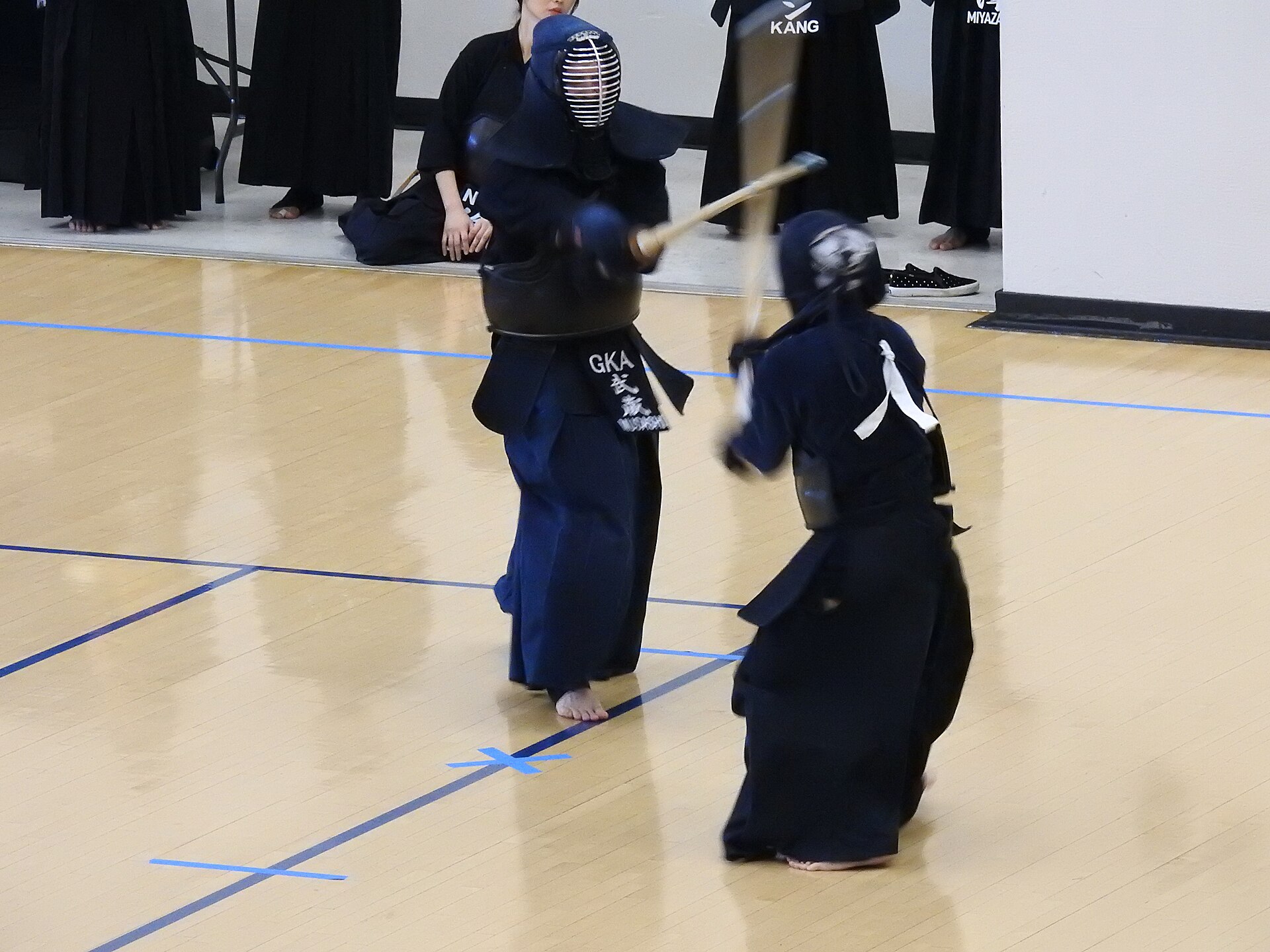
A valid men strike chains ankle extension, knee drive, hip rotation, shoulder flexion, and wrist snap in sequence. Research shows peak force transfers when the fumikomi foot contacts the floor at the same instant as shinai impact. Breaking this kinetic chain reduces power and risks injury.
Center of Gravity and Balance
Kendo maintains a low center of gravity through bent knees and an upright spine. Raising the head places the center of gravity directly above the hips; because the head is the body's heaviest segment, even a slight forward lean shifts balance outside the torso and destabilizes every movement.

Conditioning and Endurance
Kendo demands both anaerobic bursts during kakari-geiko and aerobic endurance for tournament days. Interval training, leg strength exercises, and core stability work complement dojo practice. Overtraining without adequate recovery leads to chronic fatigue and diminished technique.
Injury Prevention
Common kendo injuries include ankle sprains from fumikomi, knee strain, and shoulder overuse. Proper warm-up, gradual intensity progression, and correct fumikomi technique prevent most acute injuries. Listening to pain and resting when needed preserves long-term practice.