
Oji-Waza Overview
Oji-waza (応じ技) turn the opponent's attack into your ippon. Unlike reactive flinching, true oji begins with seme that forces the attack, then applies go-no-sen — responding yet seizing control. This page maps the major families and links to strike fundamentals.
Go-no-Sen & Seme in Oji
Counter techniques fail without invitation. Invite with seme to the throat or centre; when they commit men, your nuki-do or men-kaeshi-do opens. Oji-waza is proactive defence.
Major Families
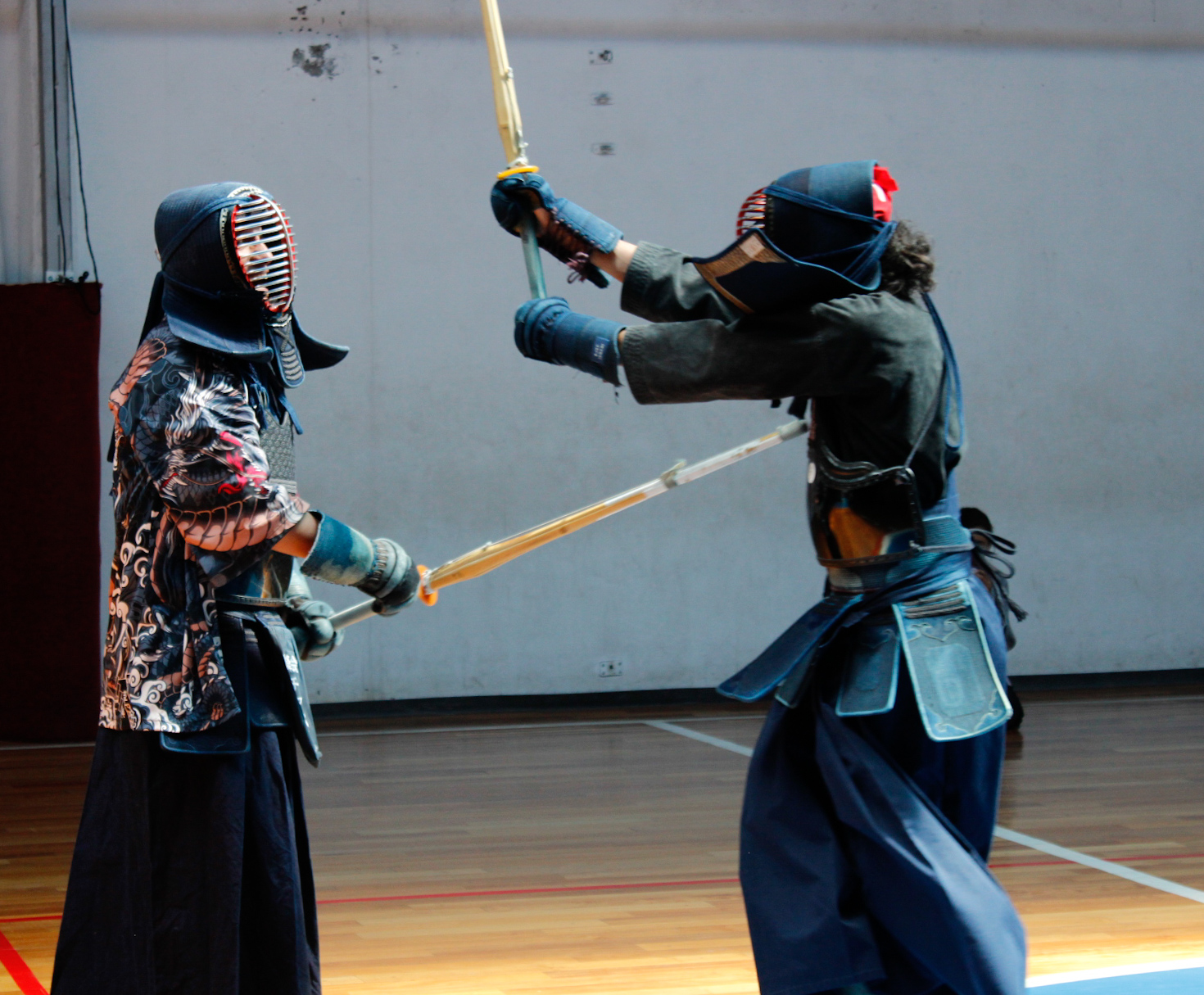
Nuki waza evade offline and counter; suriage deflect upward; kaeshi parry and return; uchiotoshi knock down the shinai then strike. Each pairs with specific targets — review waza-men, waza-do, and waza-kote pages for finishing strikes.
- Nuki: men-nuki-do, kote-nuki-men
- Kaeshi: kote-kaeshi-men, men-kaeshi-do
- Suriage / uchiotoshi: often lead to men or kote
A point sensei often mention
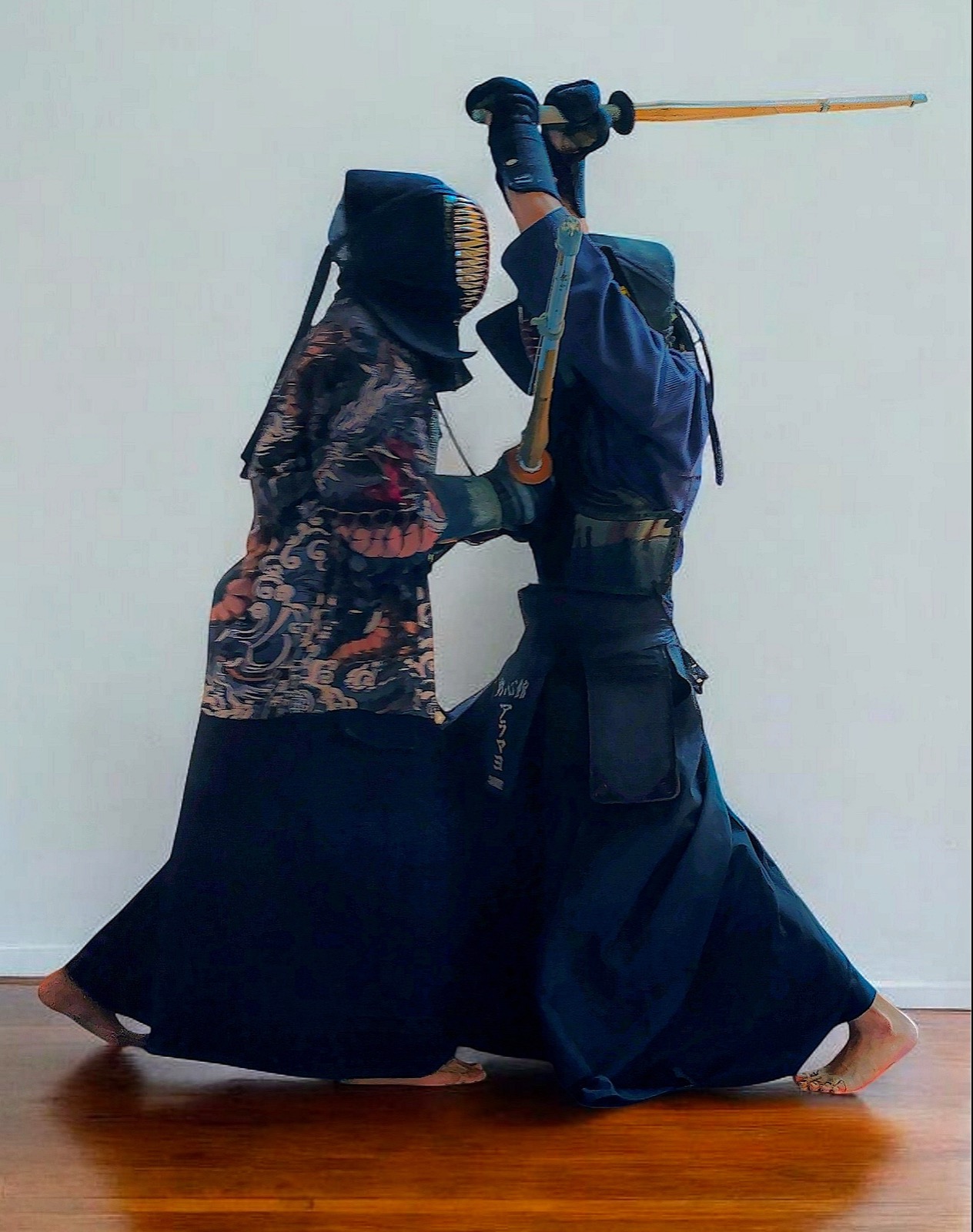
Blocking with stiff arms breaks flow; oji should redirect, not crash. Jumping backward instead of nuki loses distance. Kaeshi that stops at parry without return scores nothing.
Drills & Progression
Start with prescribed attacks in uchikomi (partner men → your kaeshi-do). Add random attacks only after ten successful repetitions each. Cross-train debana and oji to understand sen from both sides.
Watch & learn
Further reading
Frequently asked questions
- Is this shikake-waza or oji-waza?
- See module one — each page notes its family. Many waza blur the line when seme is strong.