
Debana Waza
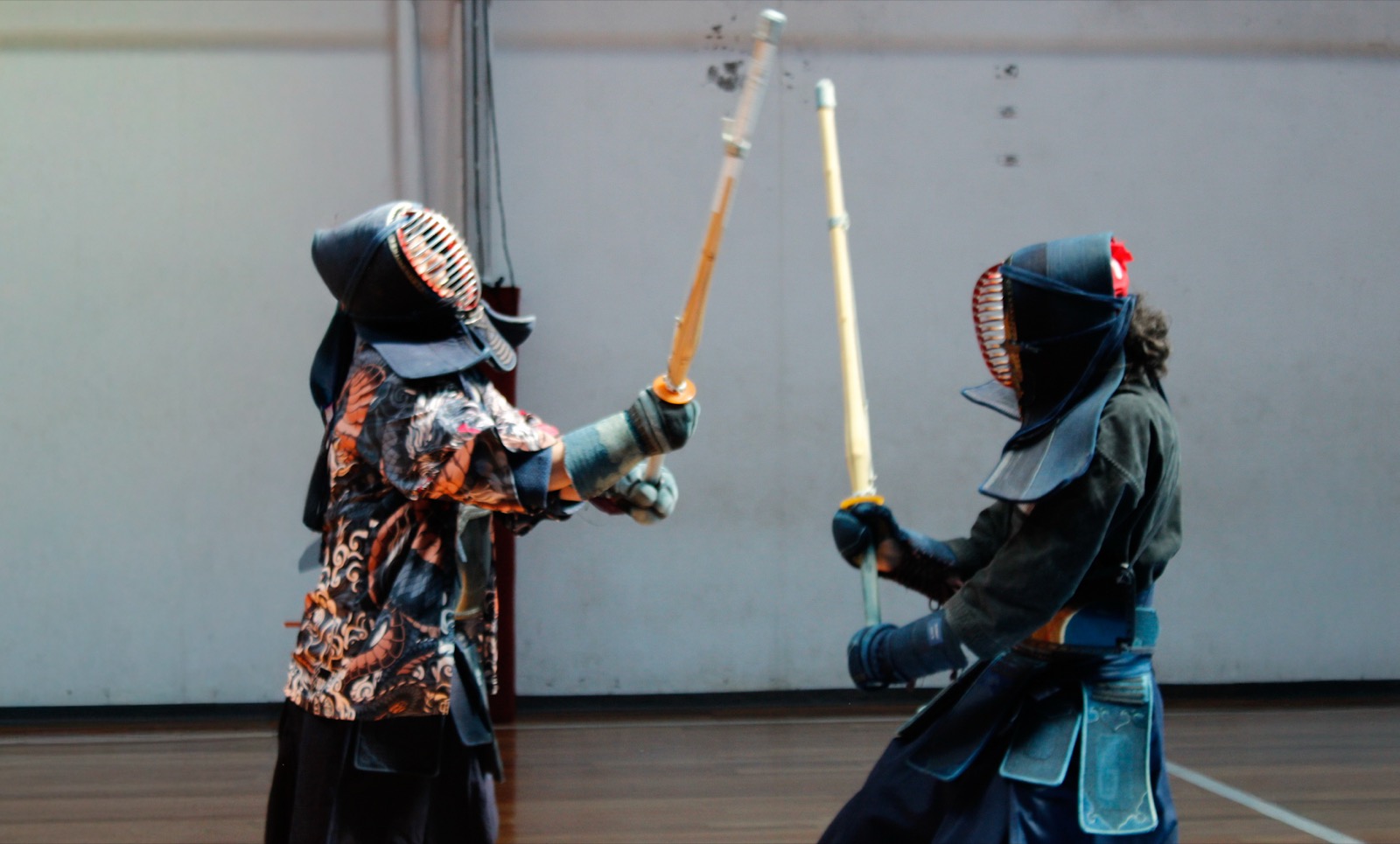
Debana waza exploit the instant your opponent commits to a strike — their kensaki rises, their weight shifts forward, and their guard opens. Debana-men and debana-kote are among the most prized shikake-waza in shiai because they embody sen-no-sen without chasing.
Sen-no-Sen & Debana
Debana means "the emerging tip." You do not guess — you seme until the opponent must move, then strike in the same moment their waza begins. This is sen-no-sen: using their initiative against them.
Debana-Men & Debana-Kote
When seme lifts the opponent's shinai for men, debana-men cuts straight through the opening. When they flick for kote, debana-kote snaps underneath. Both require calm eyes — if you blink, you arrive late.
- Seme to centre first
- Strike on their first motion, not your second
- Small fumikomi — debana is sharp, not long
A point sensei often mention
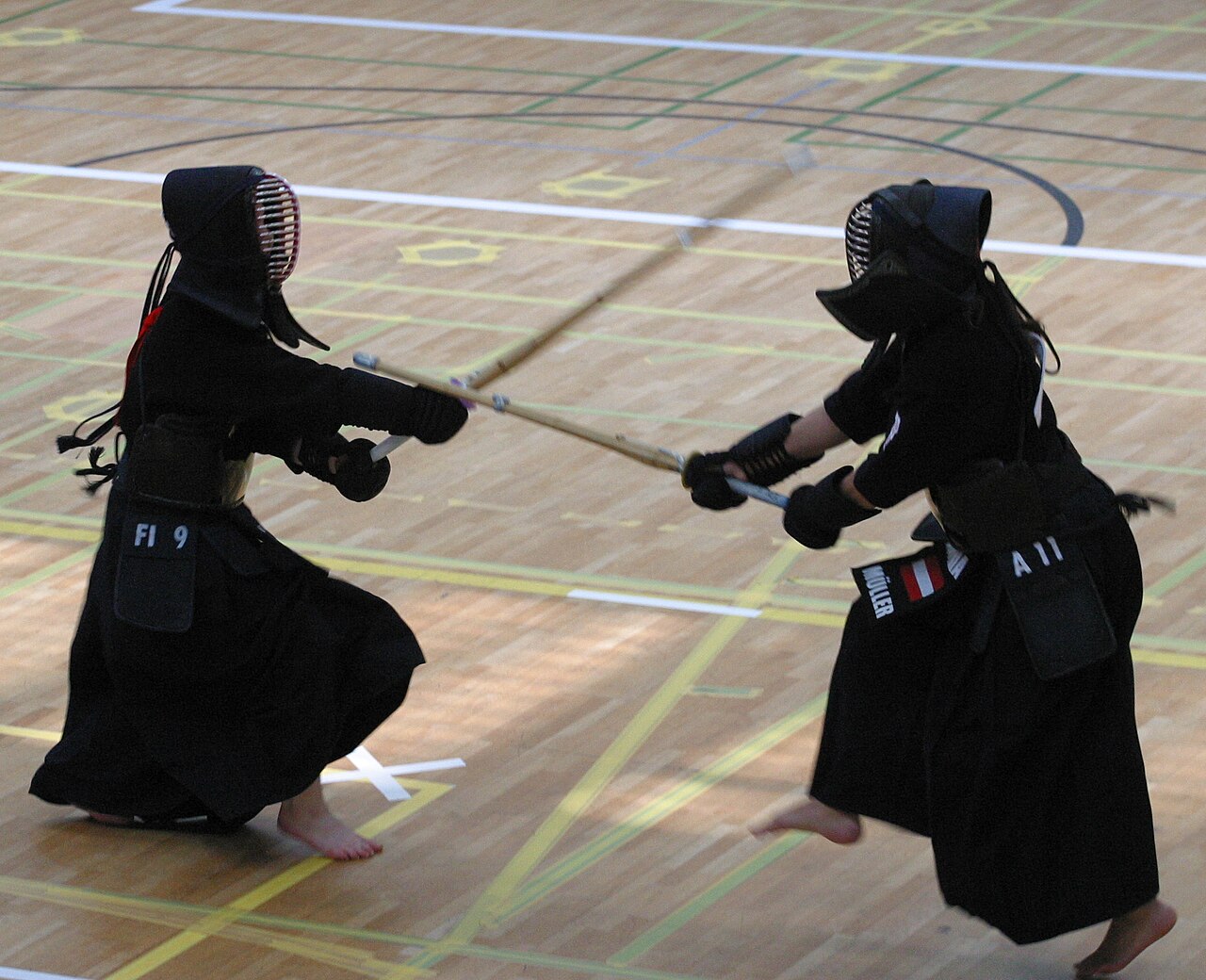
Chasing debana without seme becomes ai-uchi gambling. Dropping your kensaki while waiting telegraphs your counter. Film debana drills: the winning strike should land as their shinai passes the midpoint of its arc.
- Anticipating without reading
- Over-large furi after debana
- Forgetting zanshin when it works
Drills
Practice with a partner who announces men or kote; respond with debana only. Graduate to random attacks in uchikomi-geiko. Study the Waza hub's section on sen and maai before adding debana in jigeiko.
Watch & learn
Frequently asked questions
- Is this shikake-waza or oji-waza?
- See module one — each page notes its family. Many waza blur the line when seme is strong.